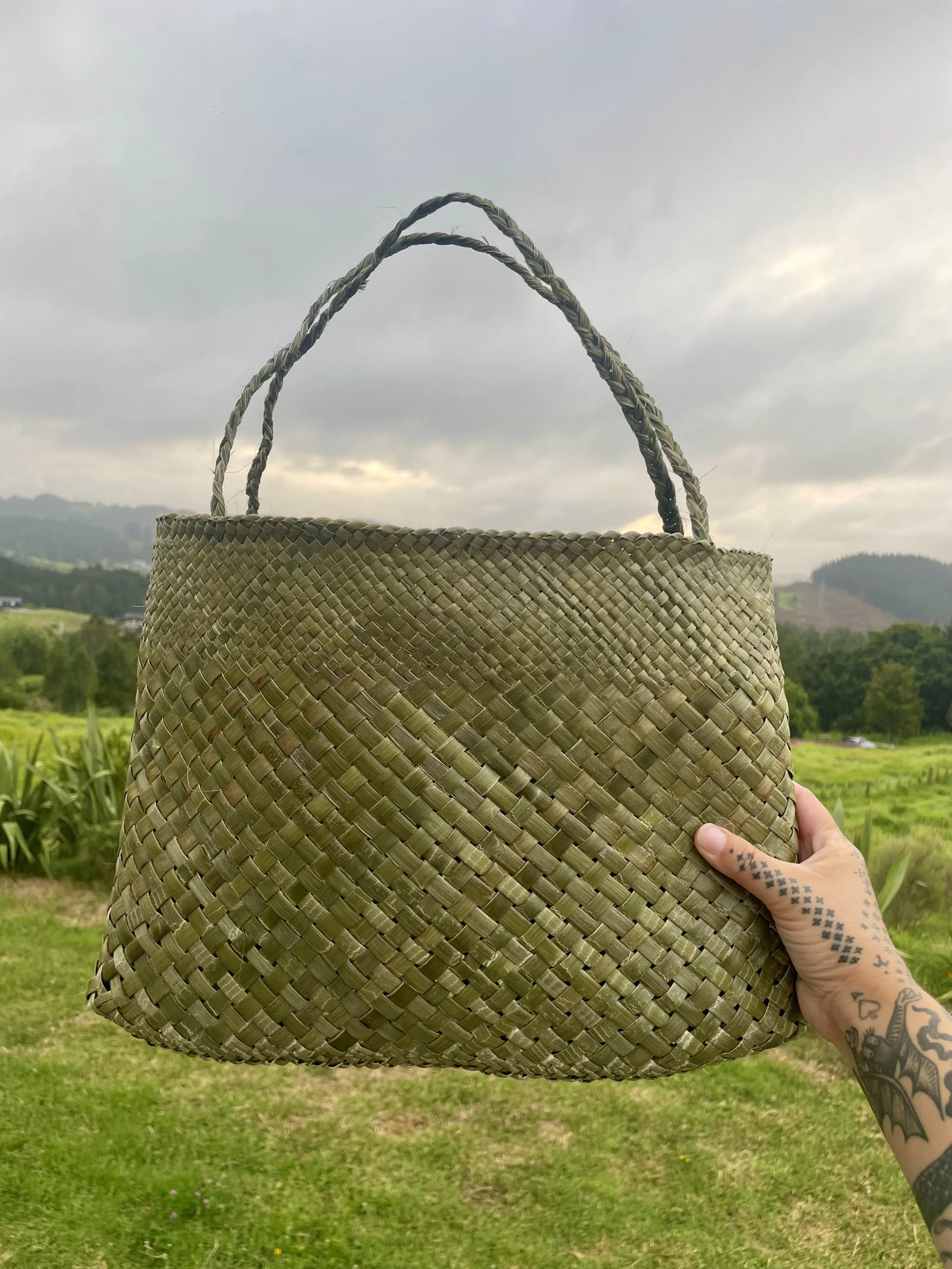
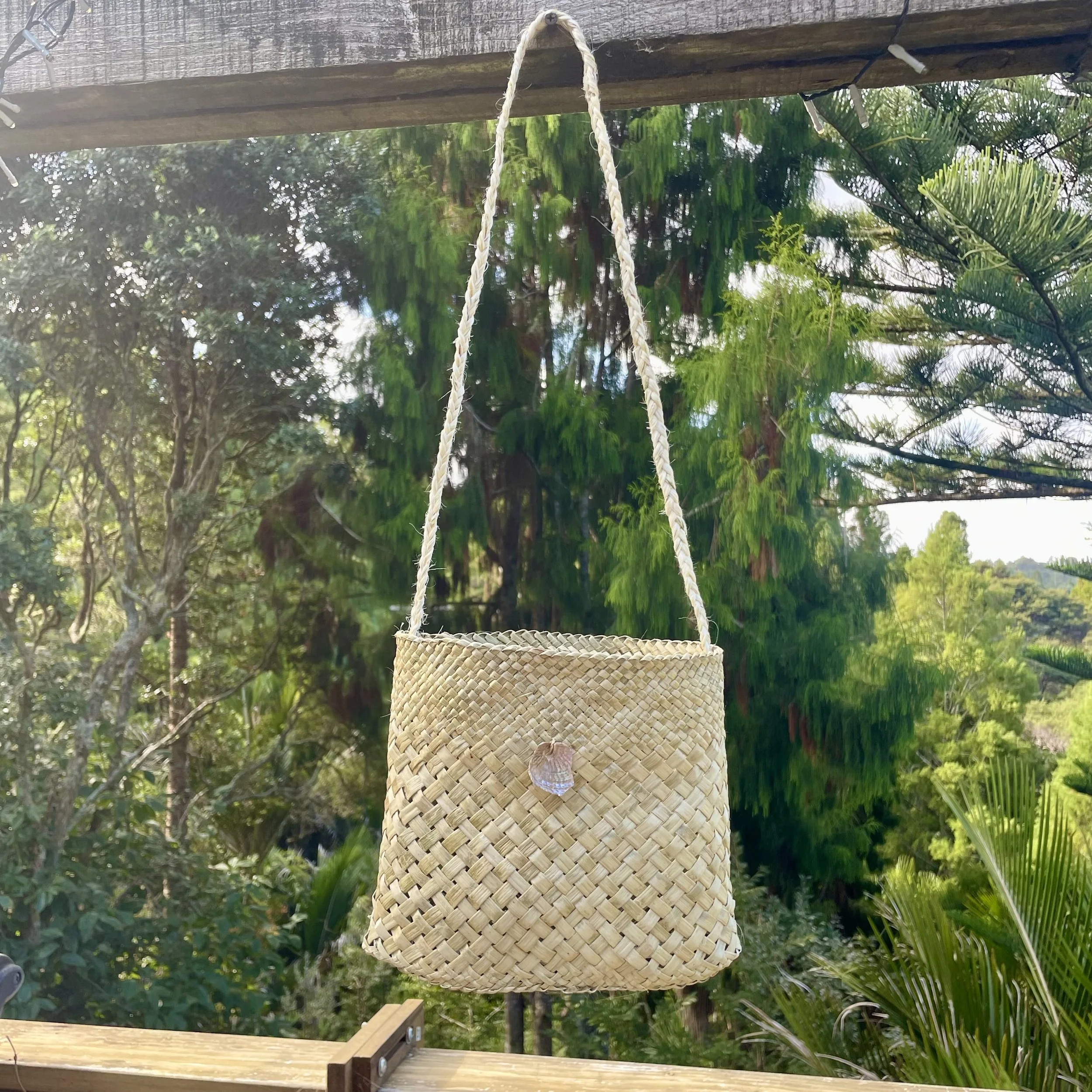
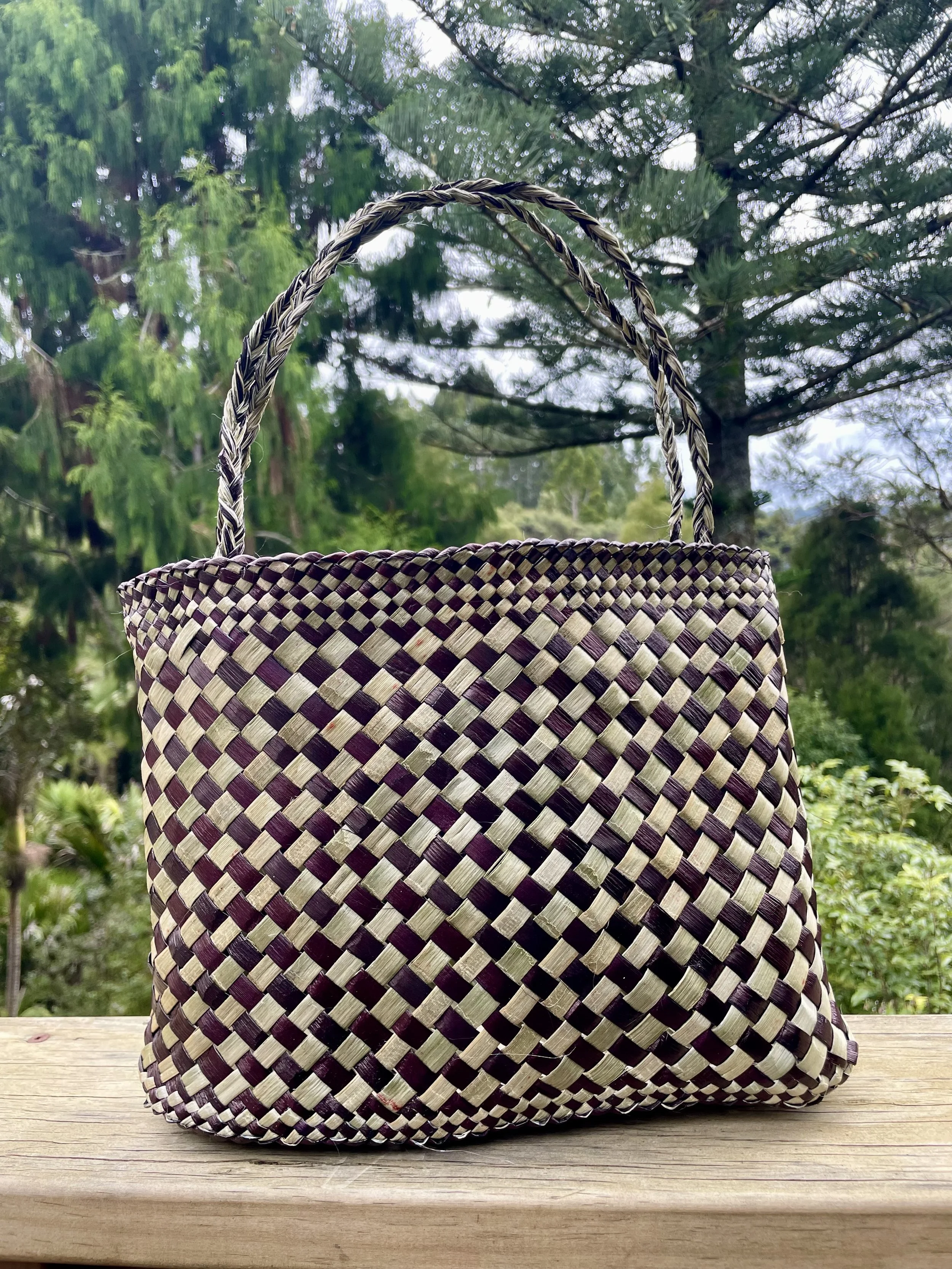
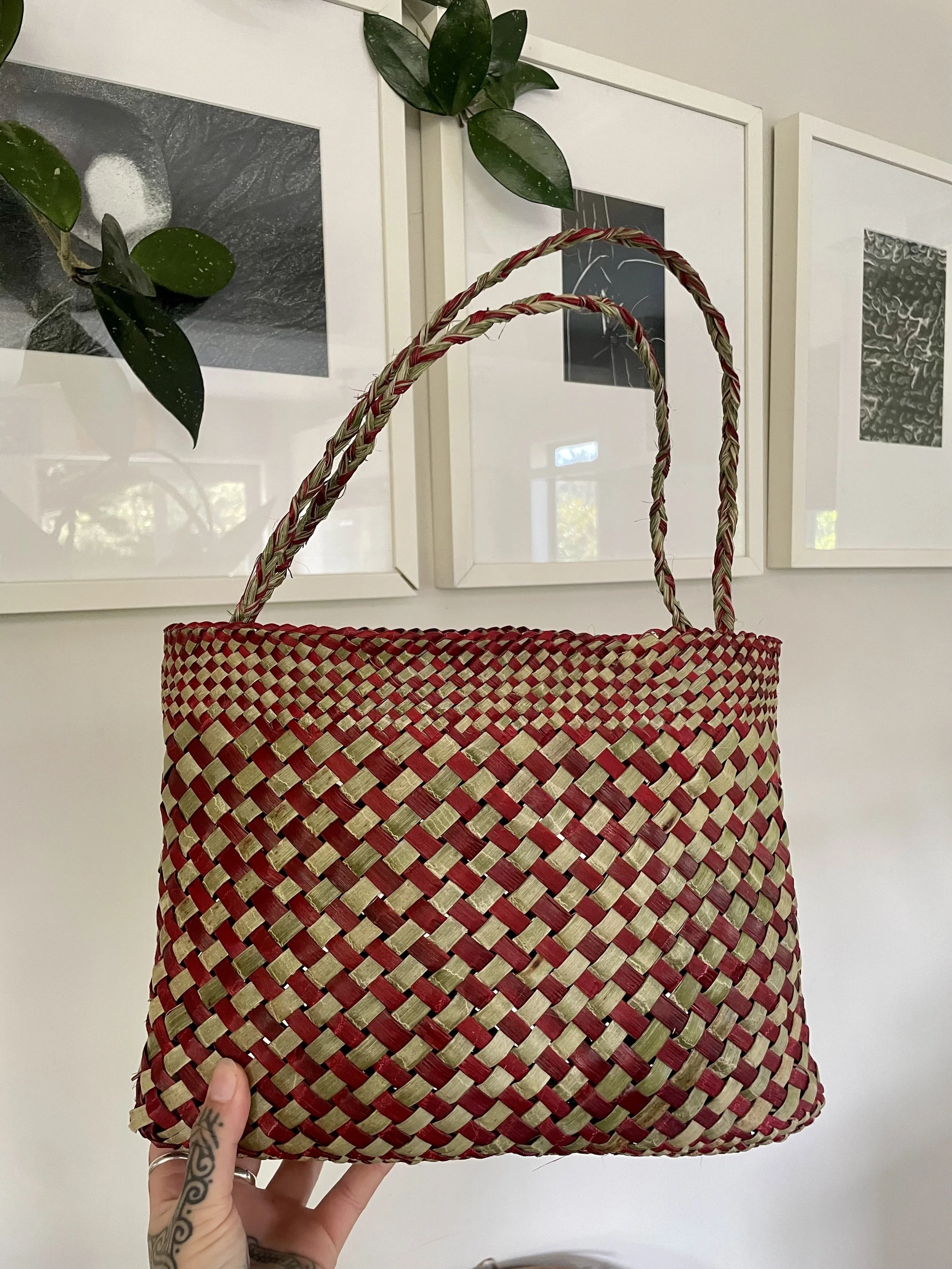
A selection of past work.
Mahi toi, tā moko, raranga.
For commissions, bookings and other enquiries, head to my contact page to get in touch.
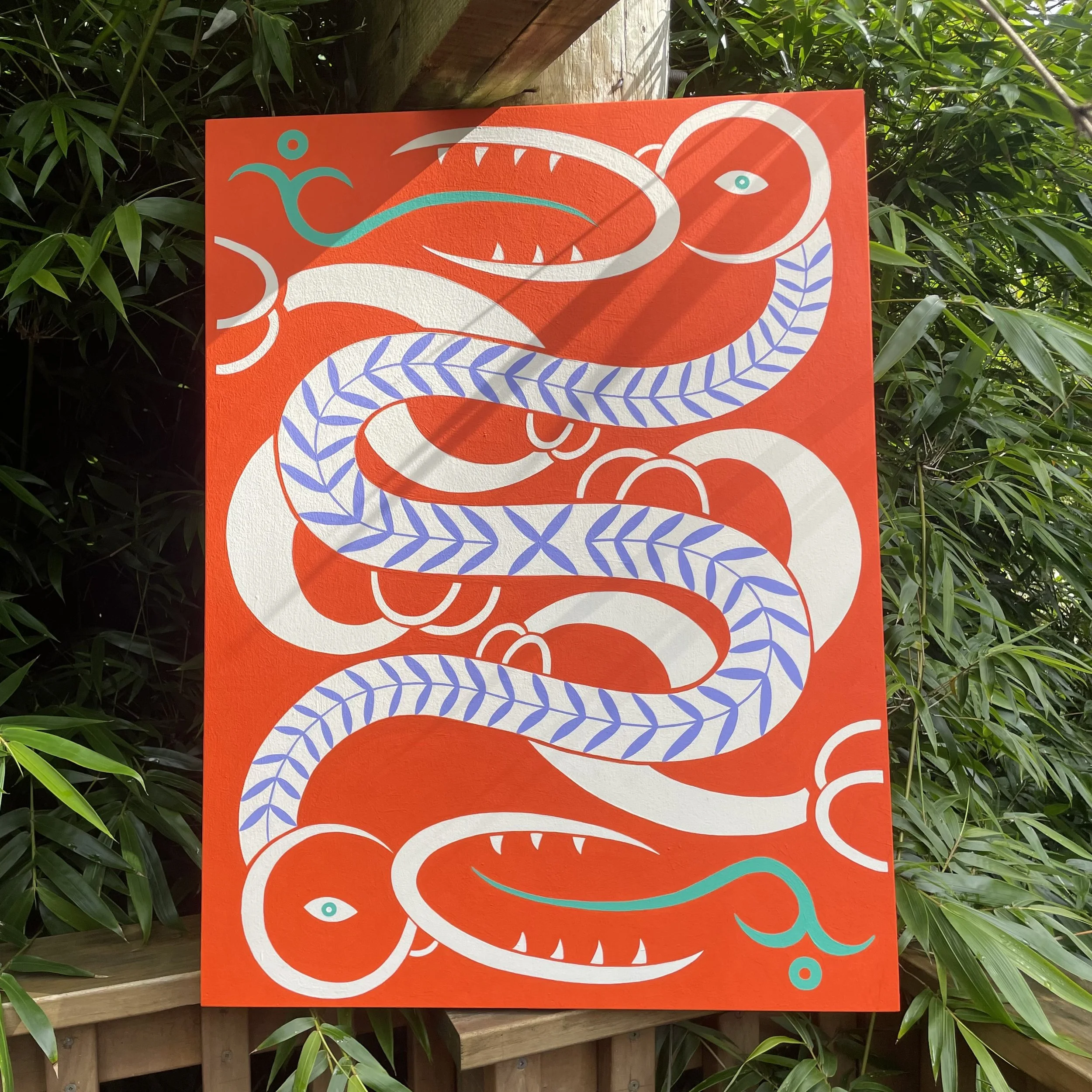
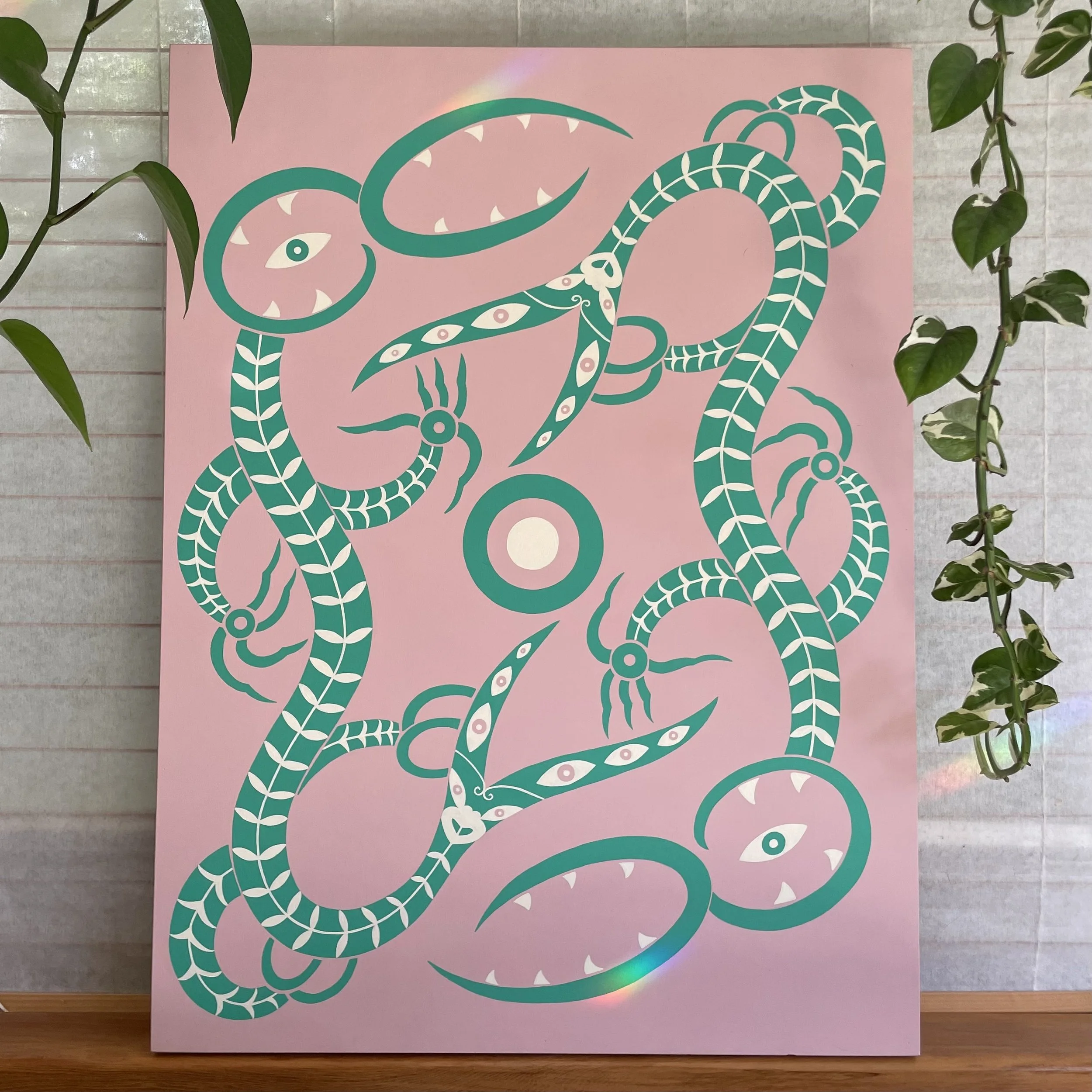
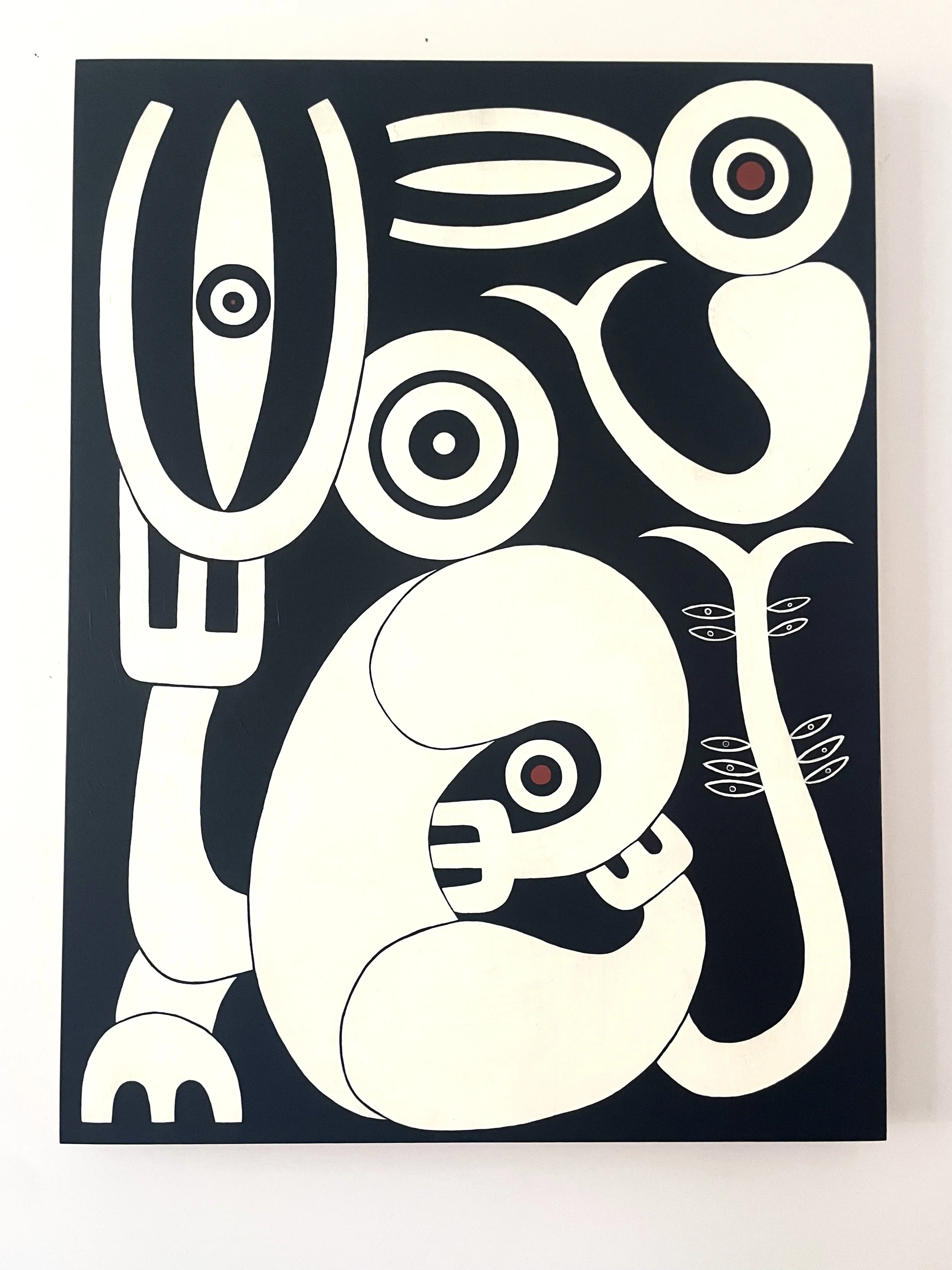
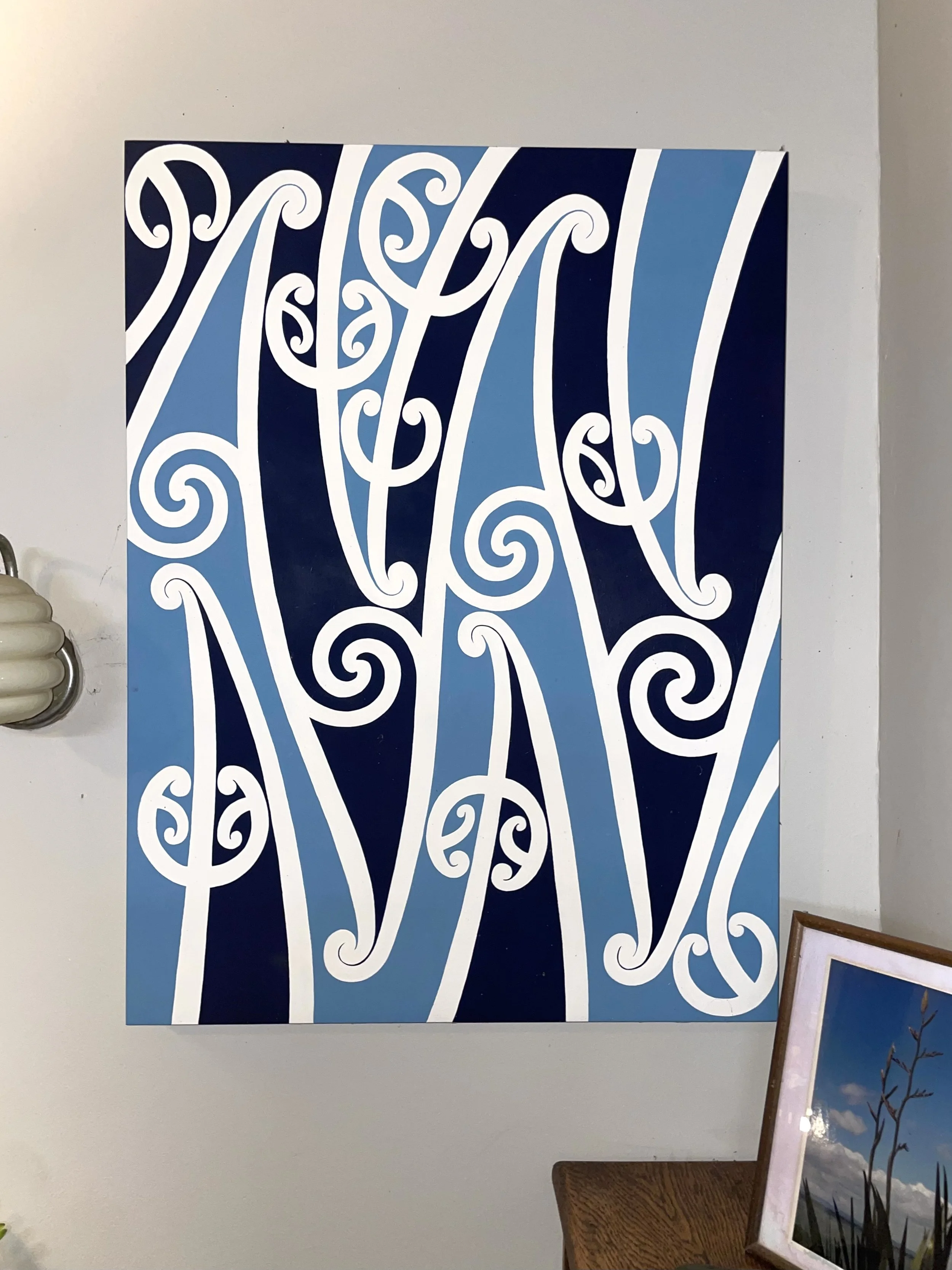
Mahi toi
-
![]()
Hue Kaitiaki
Hue, acrylic. 2026
-
![]()
Te Rīriri
Te Rīriri 2026. Acrylic on board, 1200 x 800mm.
‘Te Rīriri’ tells the pūrākau of the great battle between the taniwha Taratara and Maungataniwha.
Maungataniwha was lonely and grew envious of Taratara, who stood proudly with his two wives, Okaha-hiria and Turou. Time and again, Maungataniwha crossed the valley to ask Taratara to give him one of his wives. Each time, Taratara refused.
With every refusal, Maungataniwha's anger deepened. Finally, after making one last plea and again being denied. Consumed by rage, he challenged Taratara, and a great battle erupted between the two taniwha.
The struggle was fierce. In the end, Taratara was struck with such force that parts of his body were shattered and scattered throughout Whangaroa. Including his head which is known as Ohakiri (St Pauls).
-
![]()
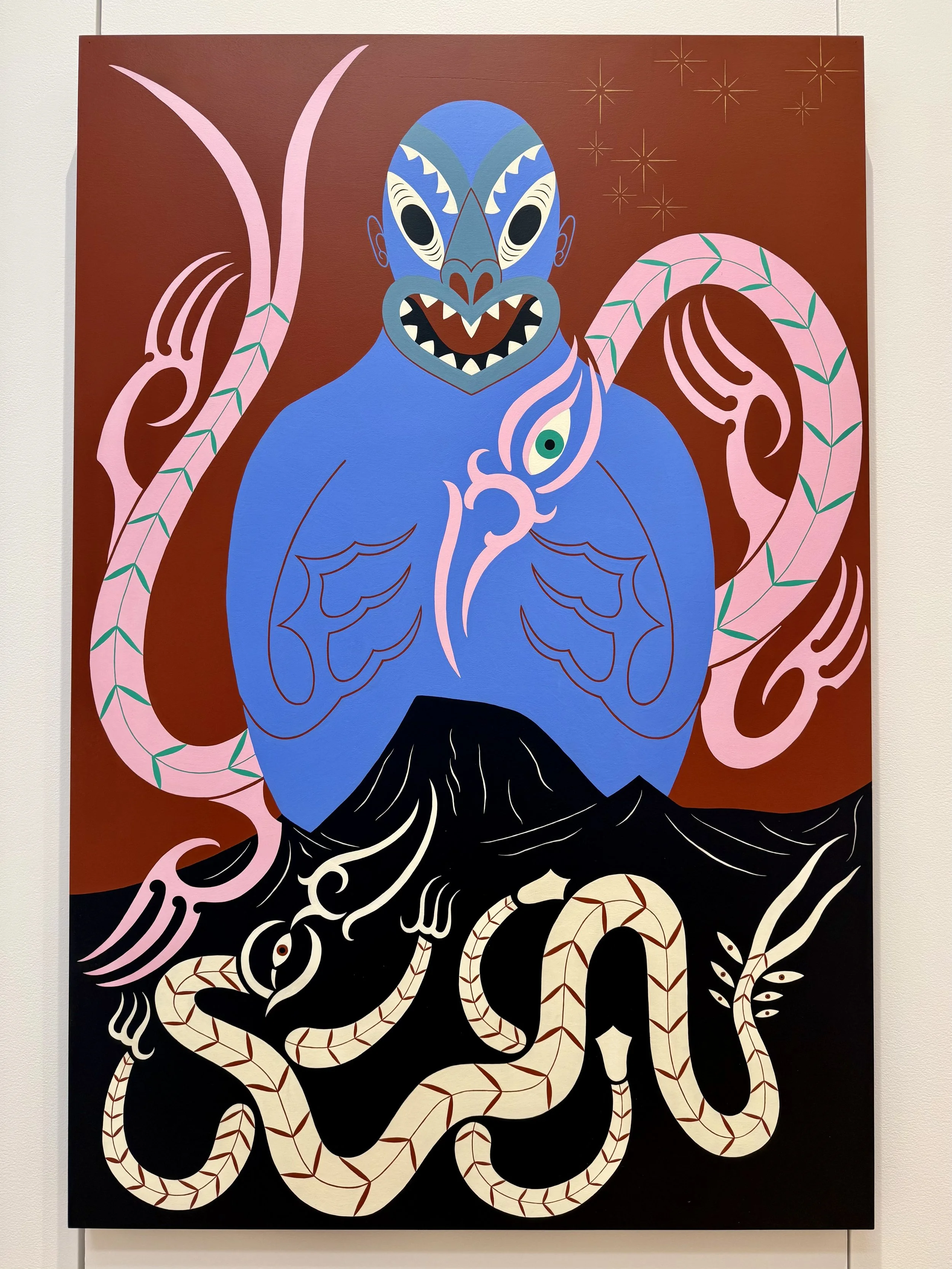
Taratara
Taratara, 2026. Acrylic on board, 1200 x 800 mm.
Taratara is a maunga tūpuna of our people, Ngāti Pou and Ngāti Rangimatamāmoe, hapū of Ngāti Kahu ki Whangaroa.
Maunga are revered as ancient kaitiaki, often personified as living ancestors who embody the spirit and presence of the taniwha.
‘Taratara’ tells the story of our maunga tūpuna, Taratara, standing alongside his two wives, Okaha-hiria and Turou. Together they represent the enduring connection between our people, our ancestors, and the whenua, while acknowledging the many tūpuna whom Taratara has watched over and protected throughout the generations.
Traditionally, the kōiwi of our most esteemed rangatira were placed within waka kōiwi. These sacred taonga were then entrusted to the āna of our maunga tūpuna, where they were protected and honoured.
Following the arrival of early European visitors to the region, many of these caves were raided and their contents removed. The desecration of these sacred resting places resulted in the loss of precious ancestral remains and taonga. For many years, our hapū and iwi have been engaged in the ongoing process of repatriation, working to return these treasured tūpuna and taonga to their rightful home, restoring both their mana and the connection between our ancestors and their descendants.
-
![]()
Hue Kaitiaki
Hue, acrylic. 2026
-
![]()
Hinetītama
Acrylic on board, 1200 × 800 mm.
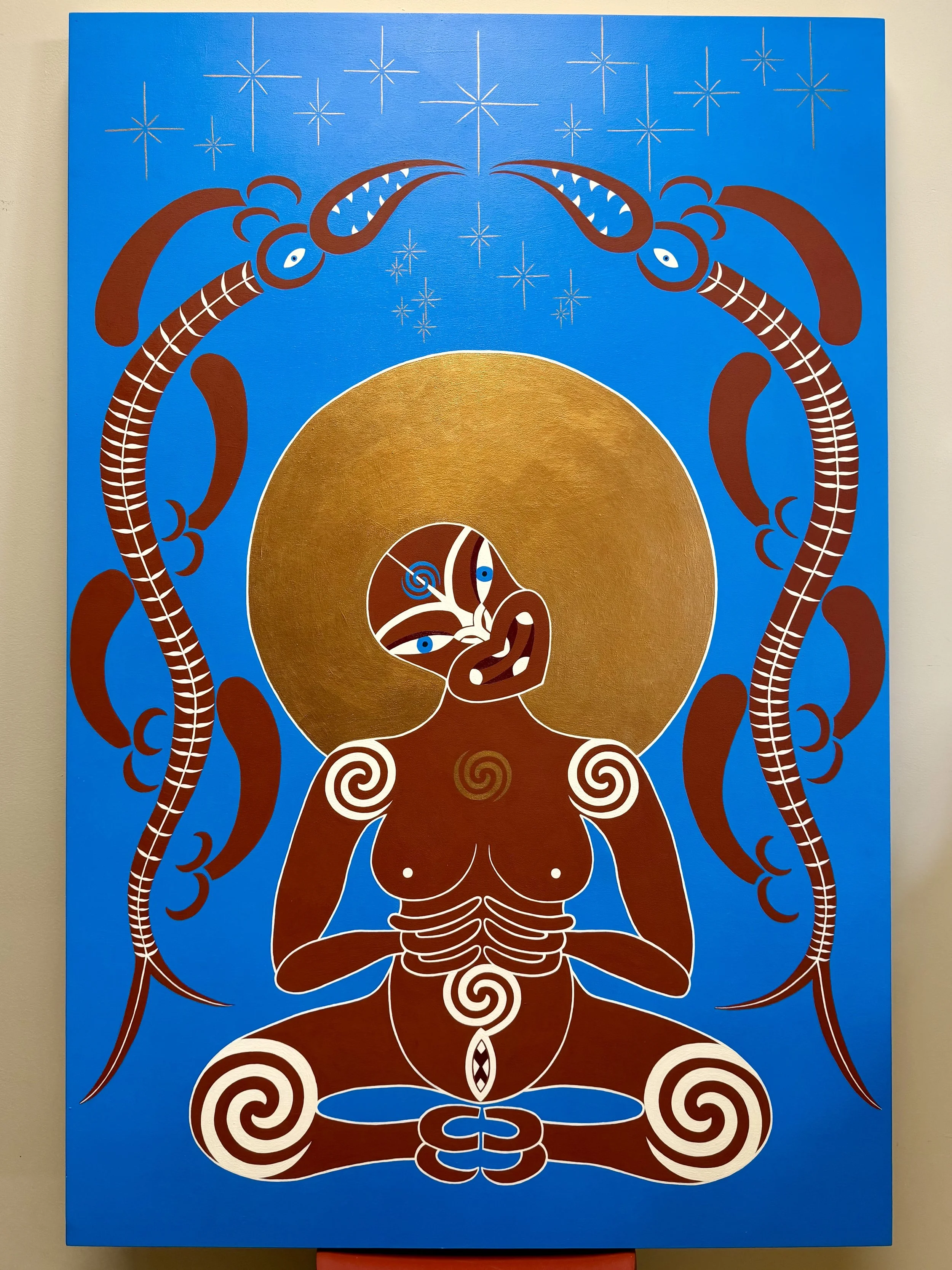
Hinetītama, the Dawn Maiden, is the daughter of Hineahuone and Tāne. She illuminates the beauty and hope of the new day. She was deceived by her father, Tāne, who also took her as a wife. Upon realising this transgression, she fled to Rarohenga and became Hinenuitepō.
-
![]()
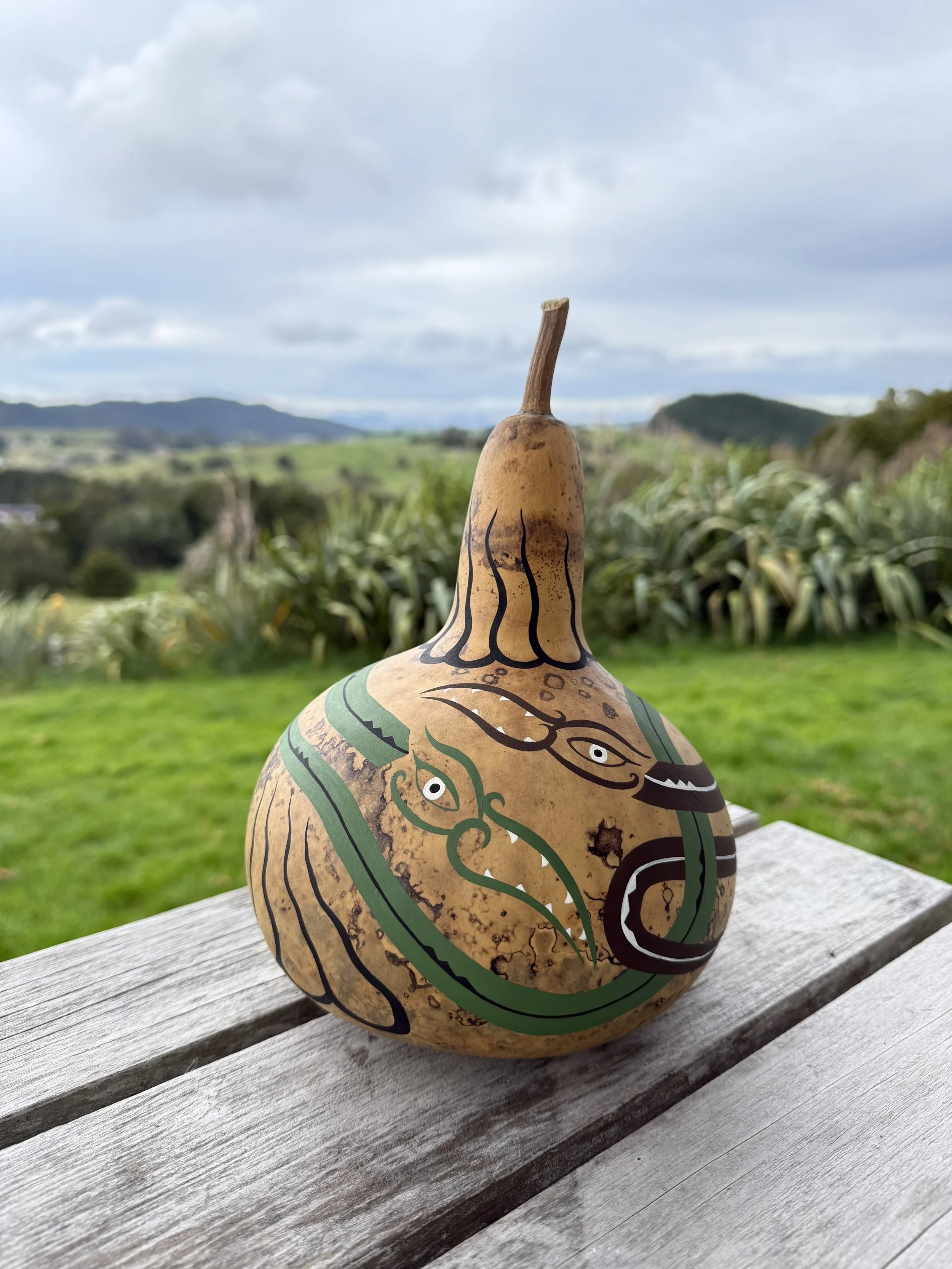
Hue Kaitiaki commission
Hue, acrylic.
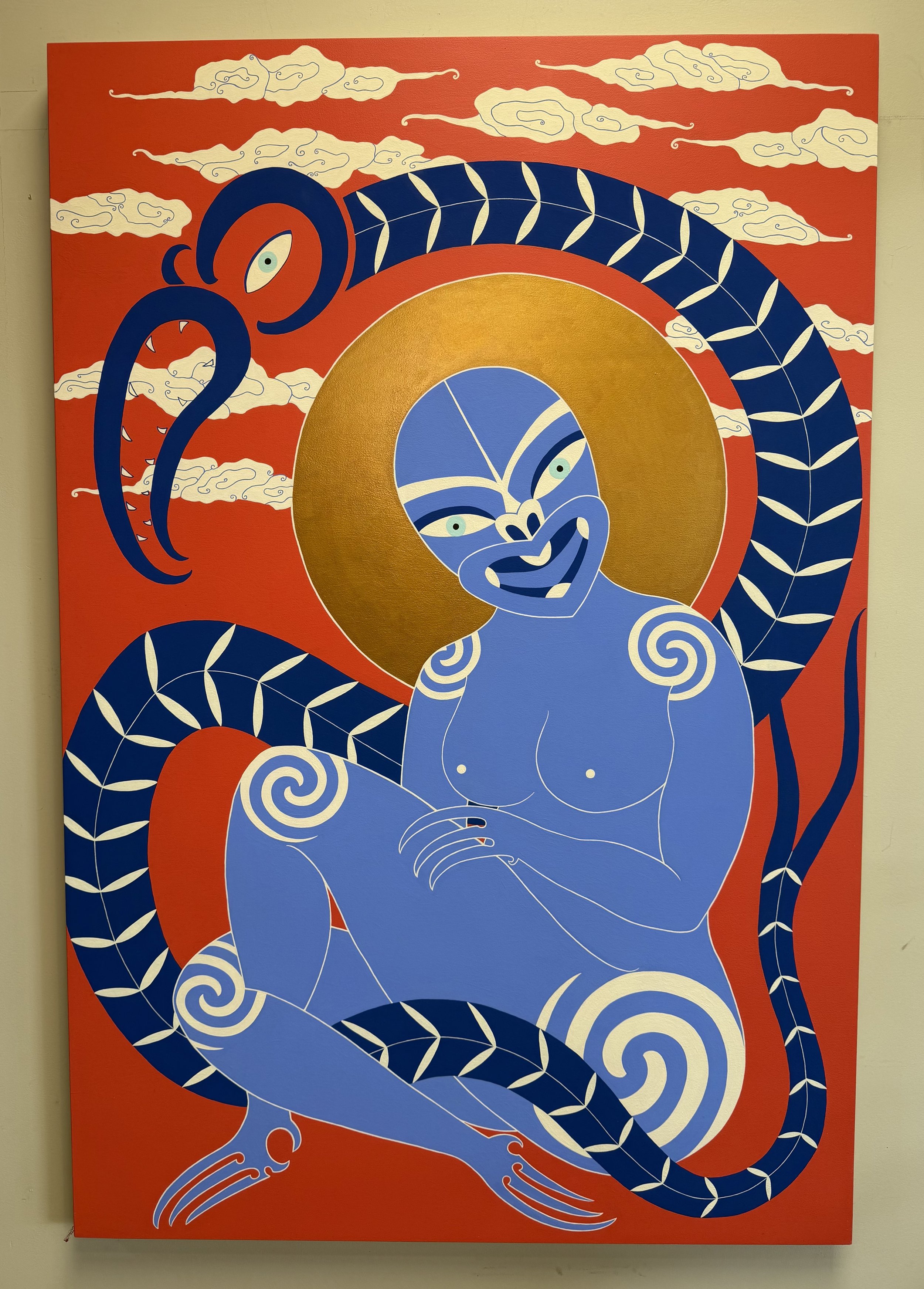
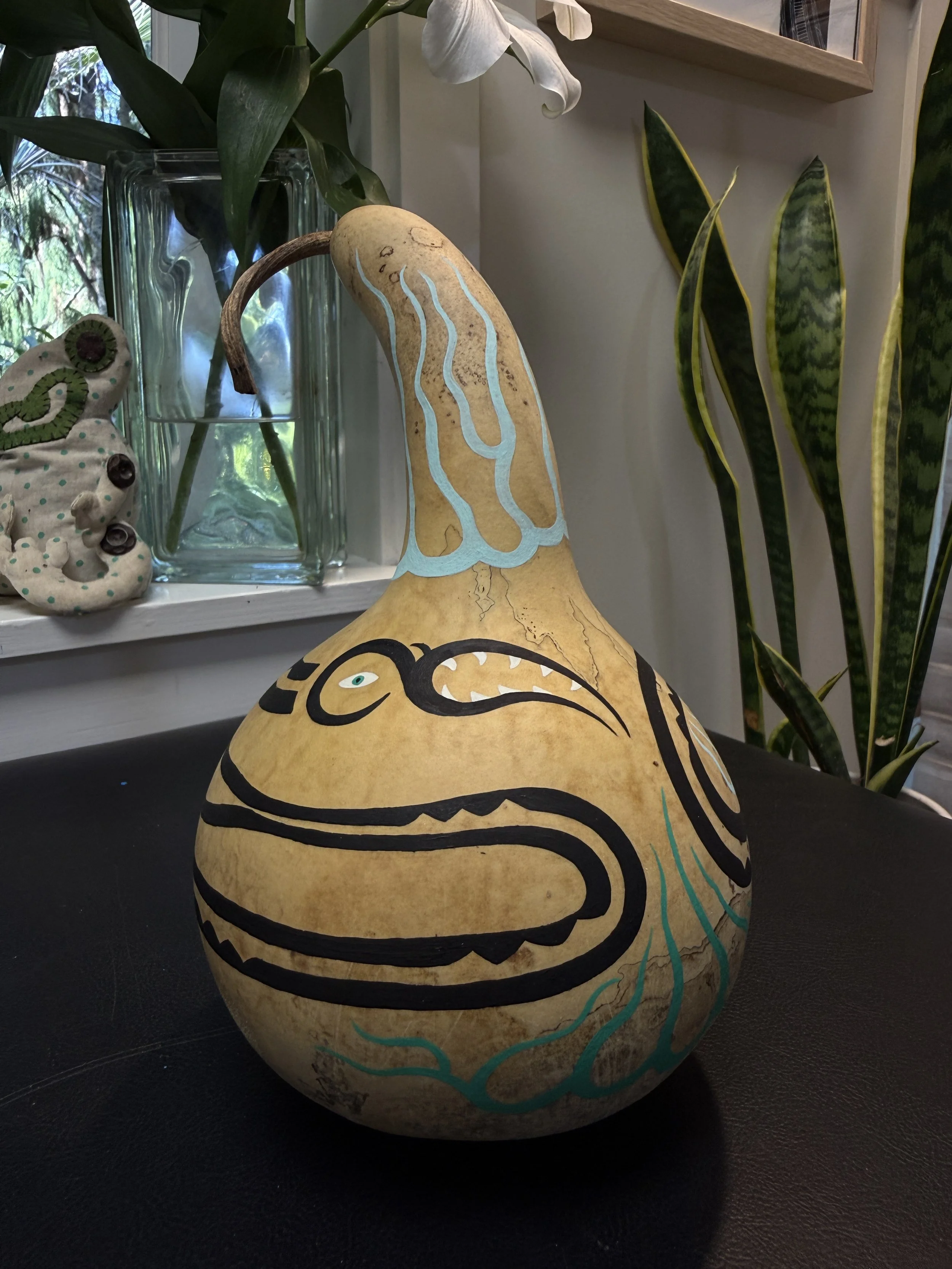
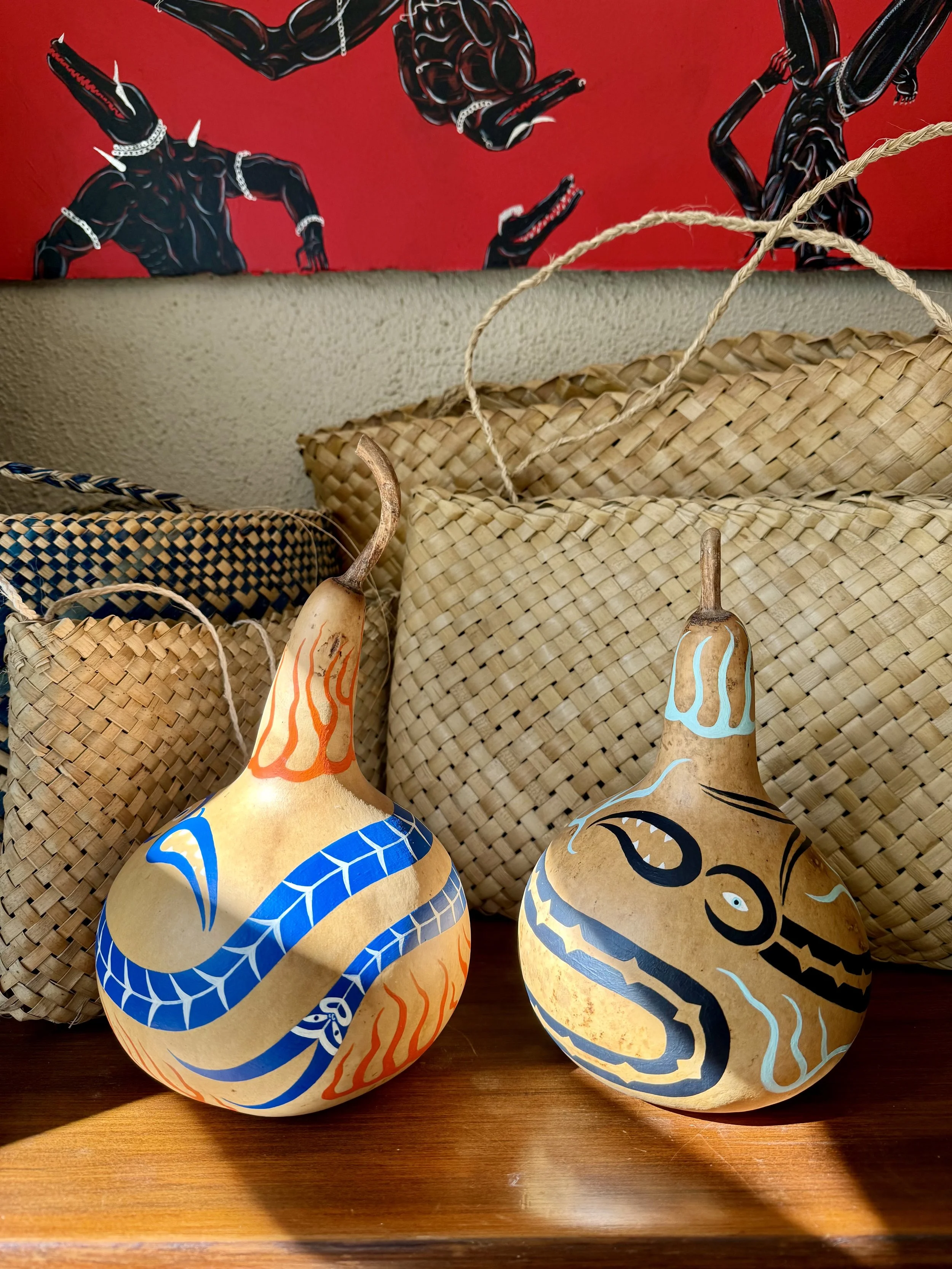
The intention of this hue kaitiaki is to be a guardian for your space, to ward off negative energy and bring protection.
-
![]()
Kahukura me te Kupenga
Acrylic on board, A1
‘Kahukura me te Kupenga’ tells the story of Kahukura and the net, a pūrākau from Doubtless Bay, Te Tai Tokerau. In this pūrākau, a fair skinned chief, Kahukura, learnt the art of net making from the patupaiarehe/tūrehu. He was able to disguise himself amongst them because of their shared fair skin and small stature. Kahukura watched as the patupaiarehe fished with their kupenga, he began to unravel the net and watched as they repaired it, learning the art. The origin of kupenga in Aotearoa is often attributed to the patupaiarehe.
The pattern inside the takarangi is a variation of mata kupenga, symbolising the net in the pūrākau.
-
![]()
Hineahuone
Acrylic on board, 1200 × 800 mm.
‘Hineahuone’ is based on the Atua wahine, Hineahuone (earth-formed woman). She was the first woman and the beginning of humankind, made from the red clay of Papatūānuku at Kurawaka and brought to life by Tāne.
-
![]()
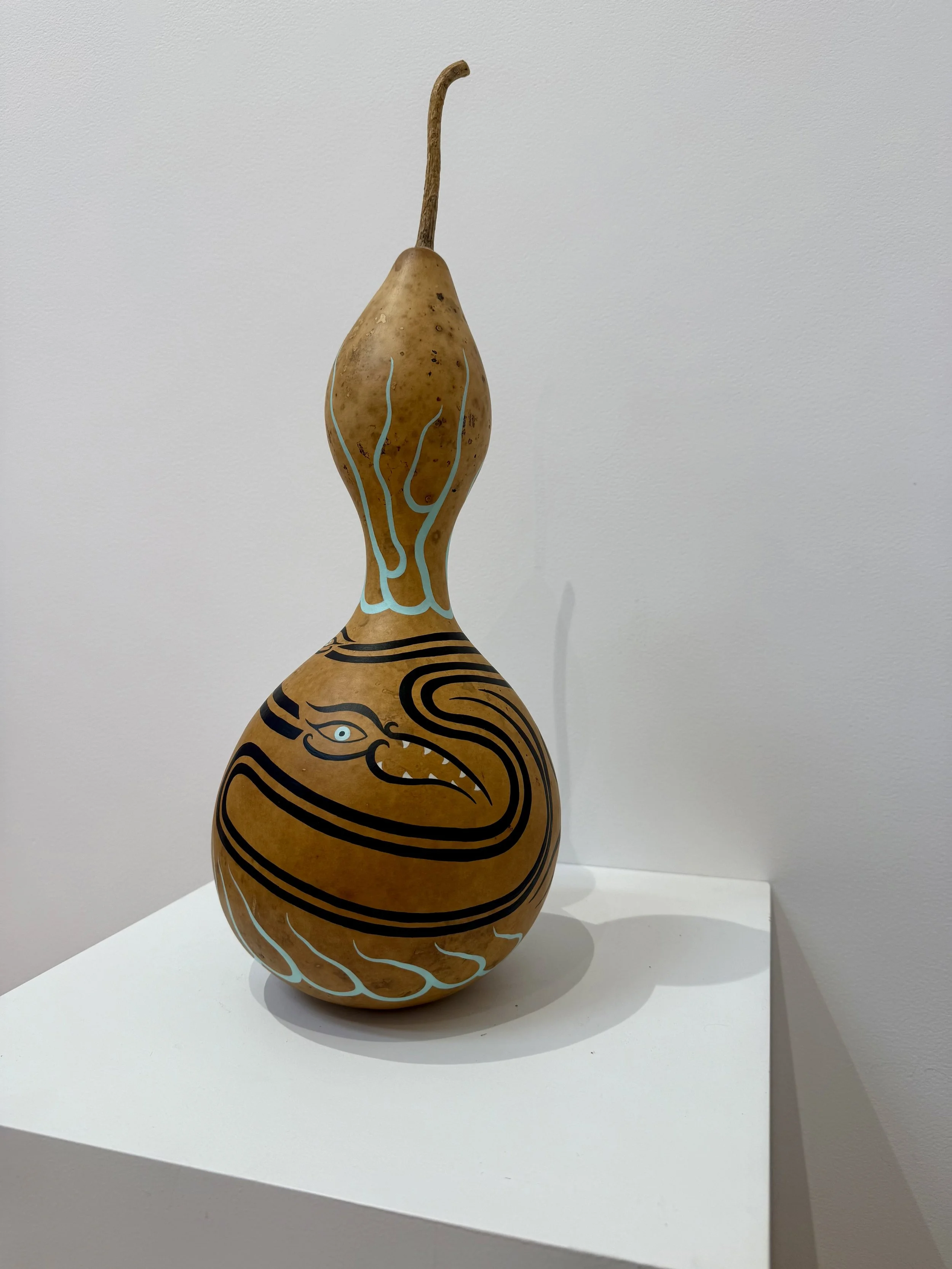
Hue Kaitiaki
Hue, acrylic.
These hue kaitiaki acts as guardians for your space, to ward off negative energy and bring protection.
-
![]()
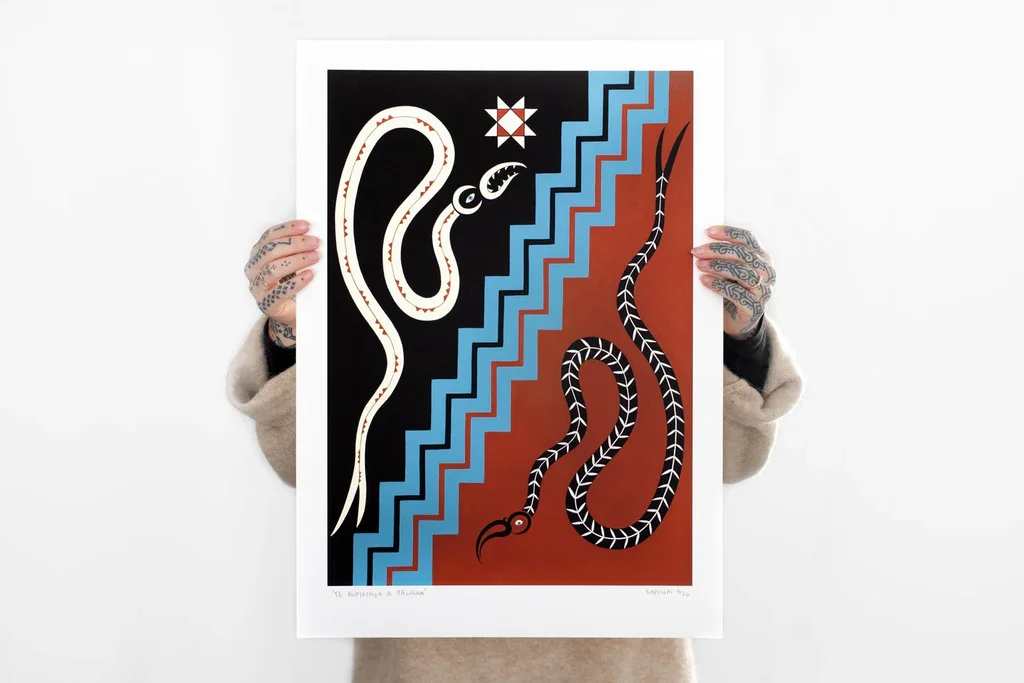
Te Aupikinga a Tāwhaki
Limited edition giclée print for Matariki with Endemic World.
The story behind the piece centres around Tāwhaki on his ascent to Ngā Rangi Tūhāhā (the celestial heavens), with Matakarepō / Whaitiri / Hine-nui-te-Pō guiding him from below. The Mother, Matariki, sits above him lighting the way.
Matariki is one of the most ancient Atua, she is the mother, her daughters are; Tupuānuku, Tupuārangi, Waitī, Waitā, Waipunarangi, Ururangi, Pōhutukawa and Hiwa-i-te-Rangi. Together they form the Matariki constellation.
At the beginning of the year, the lines of stars that form Matariki-Tautoru-Takurua, create an inclined staircase (Te Ara Poutama). The poutama pattern represents Tāwhaki’s ascent in pursuit of higher knowledge and wisdom. At the end of the year, these stars set in the west, following the same line. This is the pathway to Rarohenga.
-
![]()
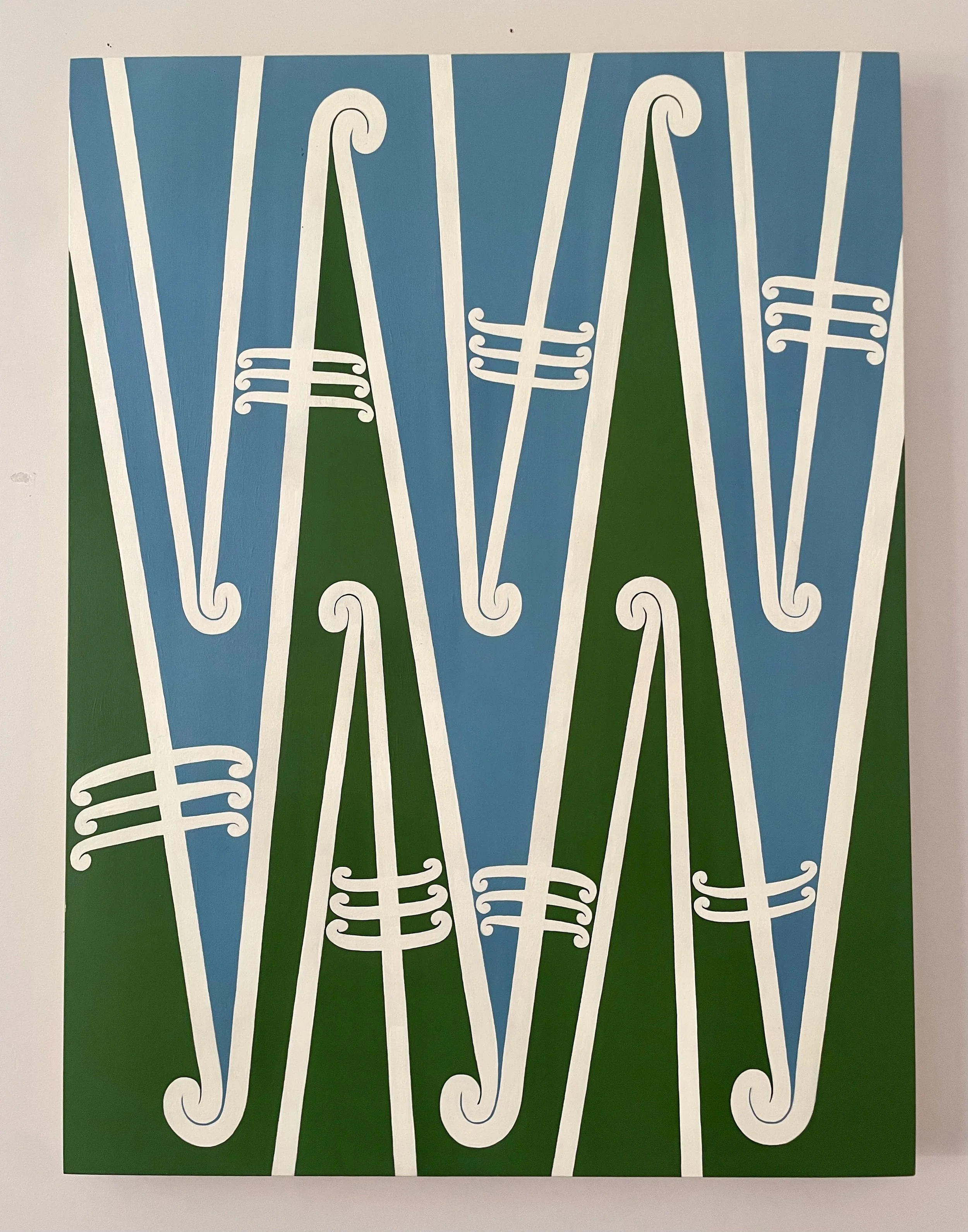
Whiro
Acrylic on board, A1.
‘Whiro’ is based on the Atua, Whiro (Whirotetipua). He is one of the sons of Rangi and Papa, and is often referred to as the Atua of darkness. He has a strong connection to lizards as they are considered his representation on earth. A misunderstood Atua, as he wasn’t considered ‘evil’ in pre-european times, but rather the Atua of transformation. Whiro is the new moon cycle in the maramataka, a time for rest, reflection and new beginnings.
-
![]()
Whakatupu
Acrylic on board, A1.
‘Whakatupu’ is a representation of growth, love and the journey through life, with a nod to Rangi and Papa.
-
![]()
Tauhere
Acrylic on board, A1.
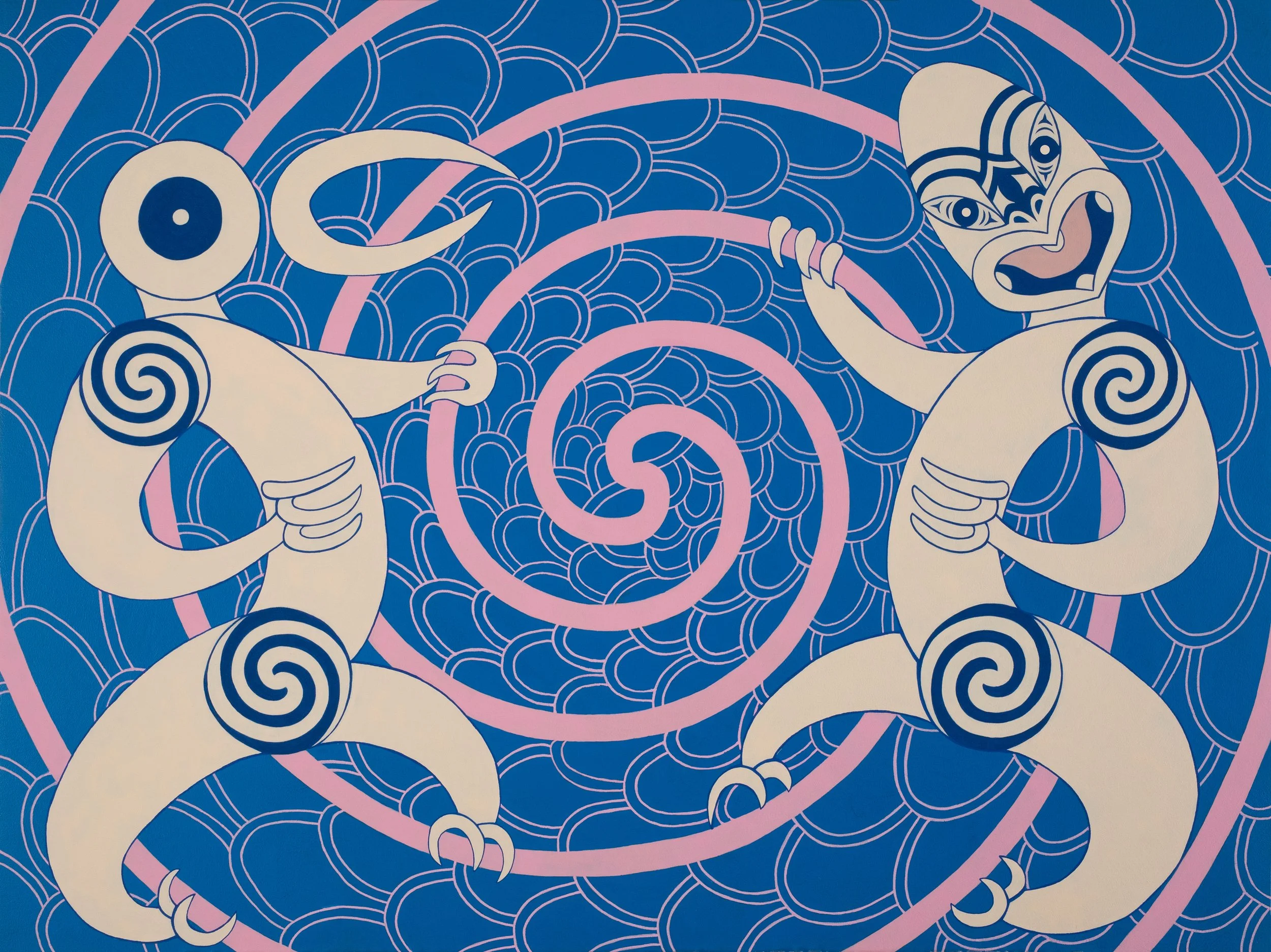
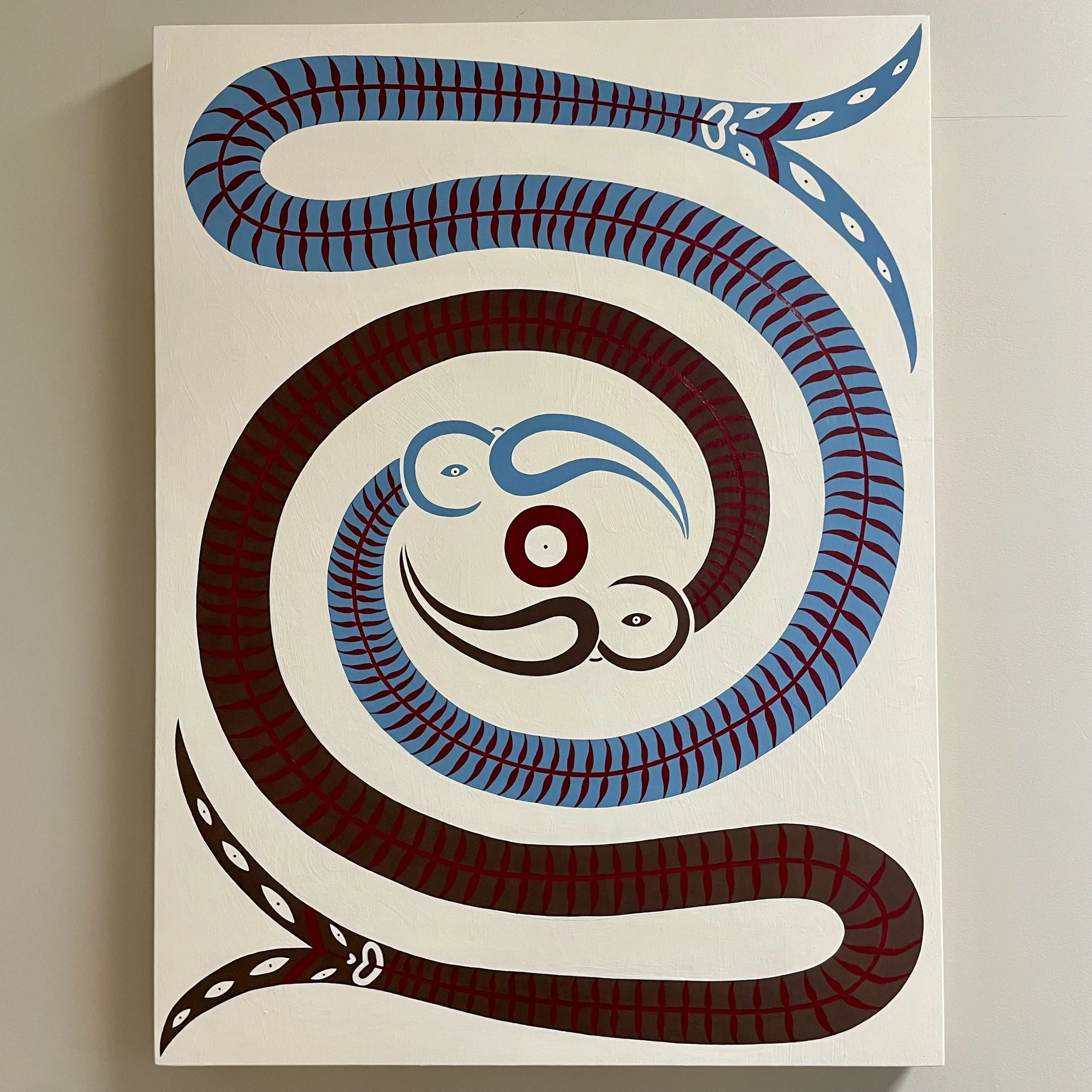
My whakaaro around this piece was the idea of connection, and how that speaks to love and also to whakapapa. ‘Tauhere’ translates to link/connection/tie.
-
![]()
Tokerau
Acrylic on board, A1.
‘Tokerau’ is inspired by northern manaia forms, specifically from an old carving from Doubtless Bay, near Whangaroa, where I am from. One origin of the name Te Tai Tokerau, talks about the tides of many/plentiful pūrātoke (glow worms/phosphorescence).
-
![]()
Patupaiarehe
‘Patupaiarehe’ is inspired by the pūrākau of Kahukura and the Net, a story from Doubtless Bay in Te Tai Tokerau.
-
![]()
Te Kaitiaki
Acrylic on board, A1.
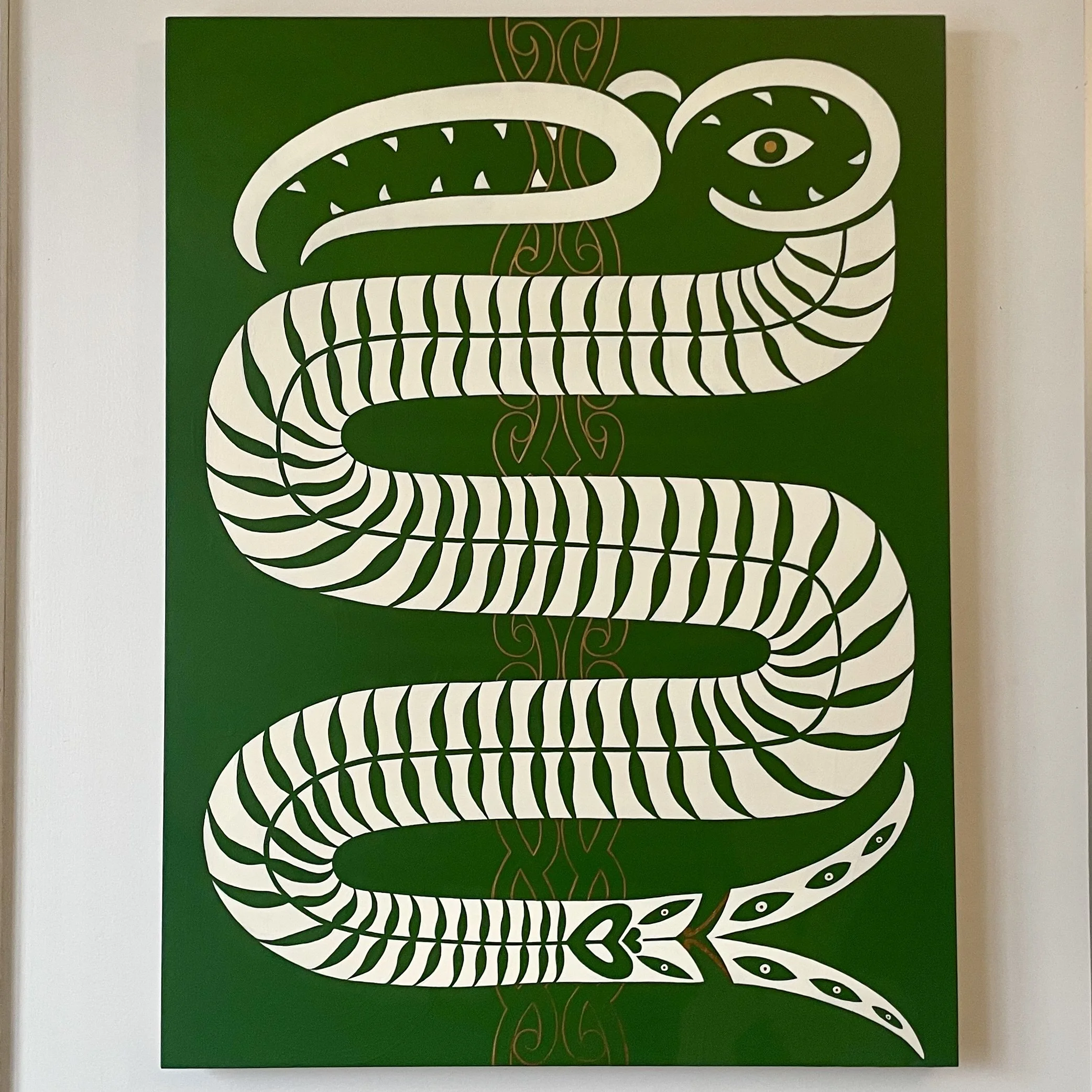
‘Te Kaitiaki’ is inspired by old manaia forms found in early Māori paintings and carvings. This piece was made with the intention of being a kaitiaki (guardian) to your space, the eyes throughout are also referencing evil eye symbolism from Greek mythology, which are believed to ward off negative energy.
-
![]()
Tangaroa
Acrylic on board, A1.
Kōwhaiwhai study.
-
![]()
Pūhoro
Acrylic on board, A1.
Pūhoro study.
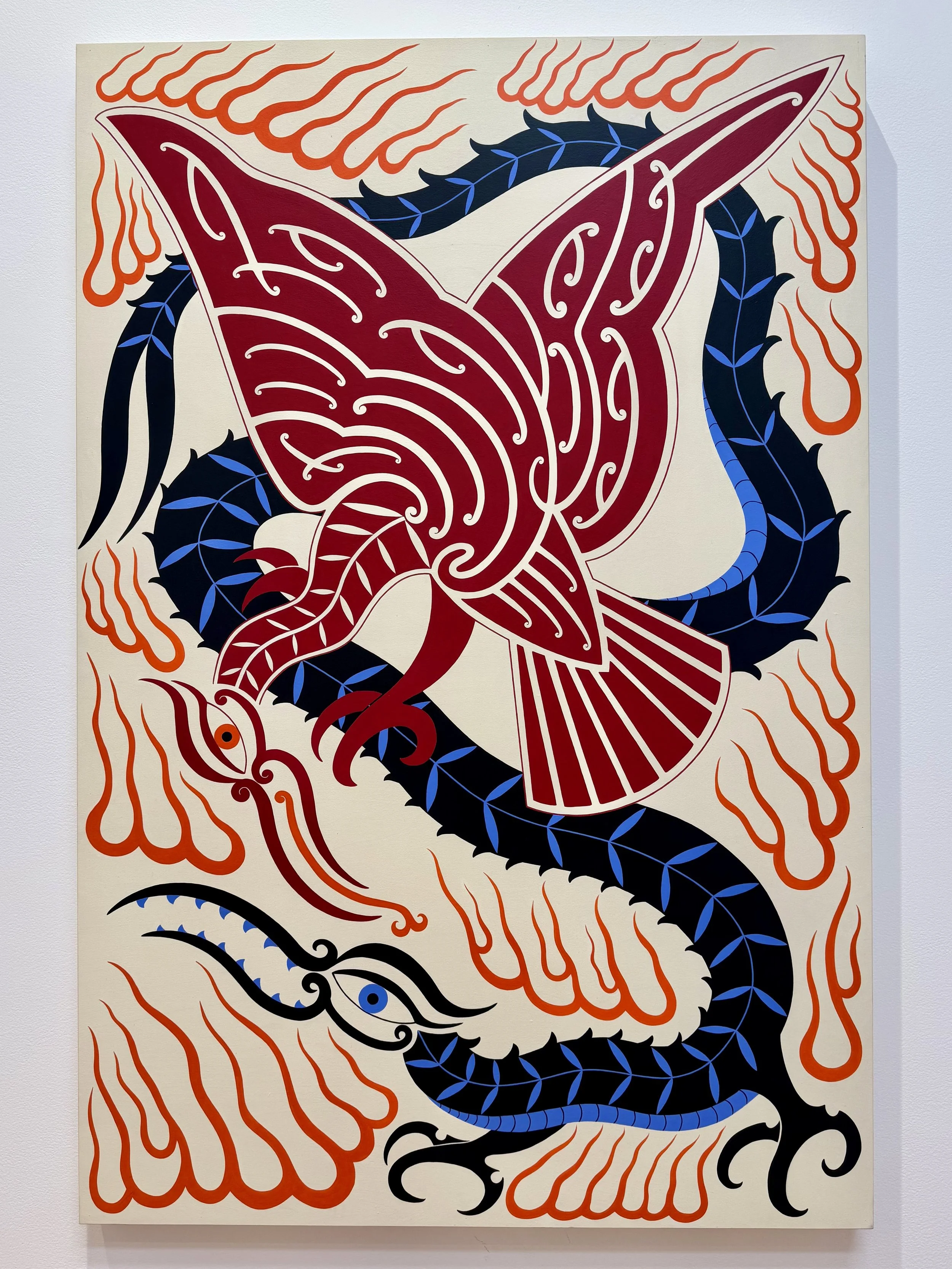

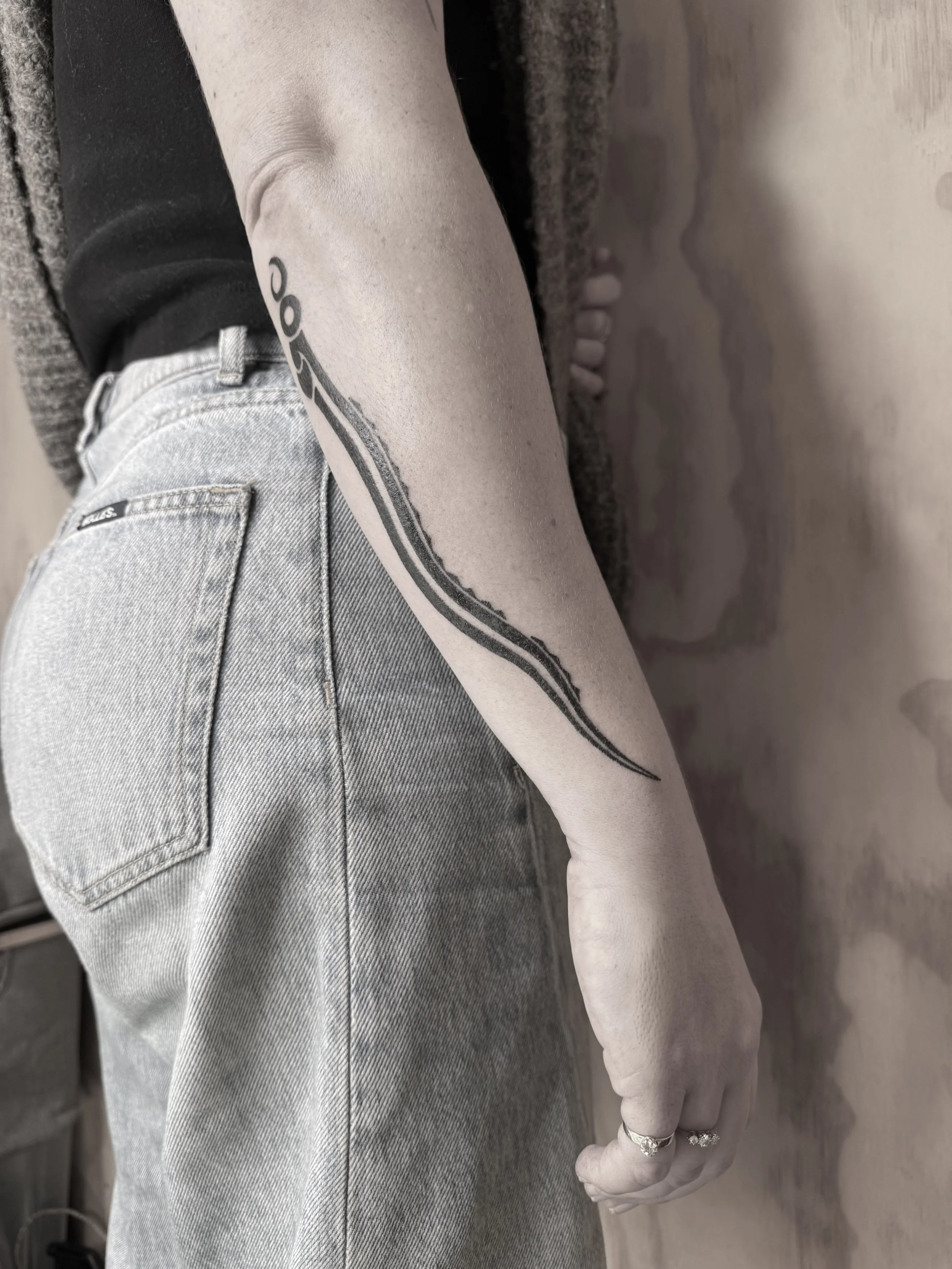
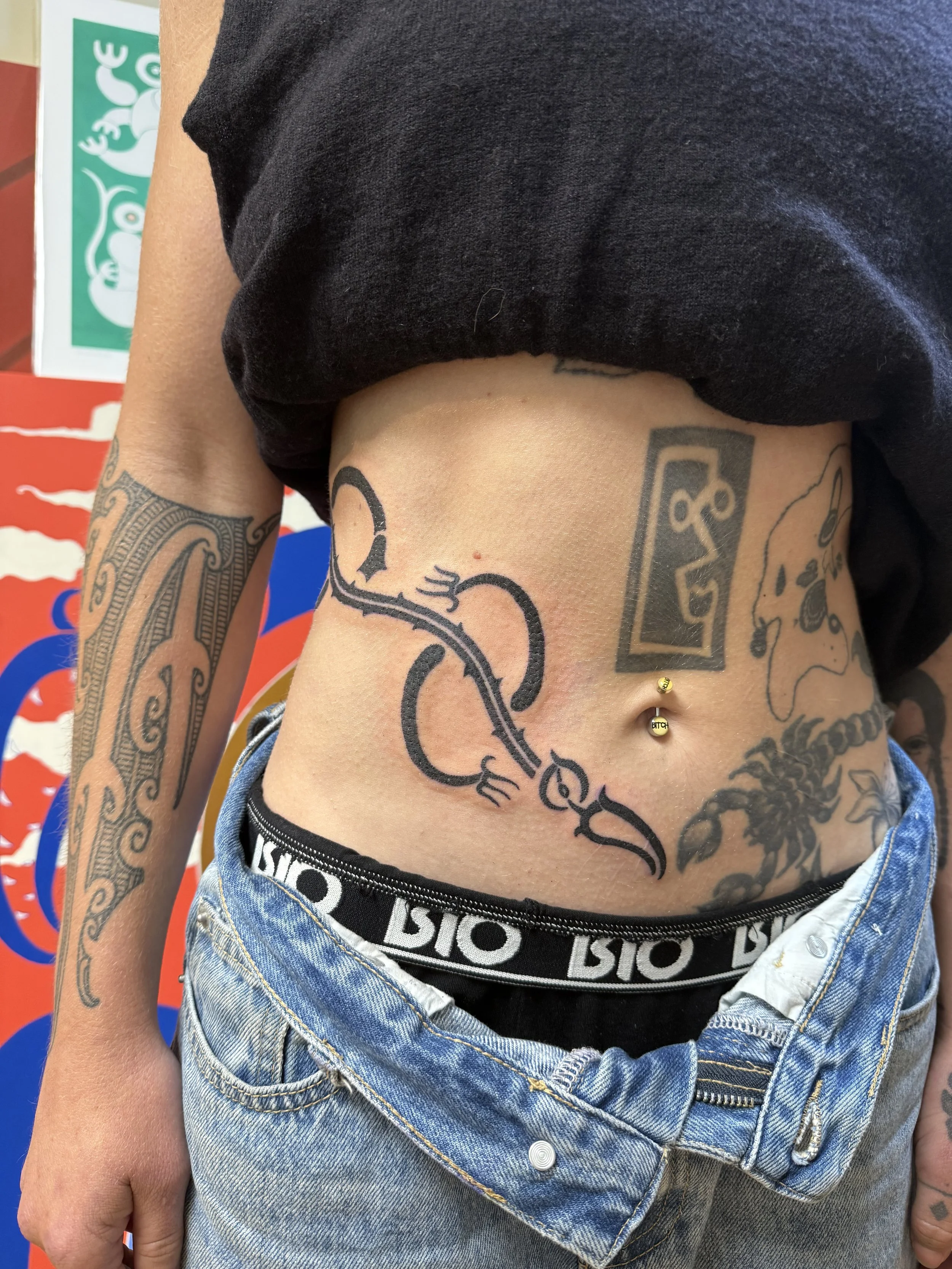
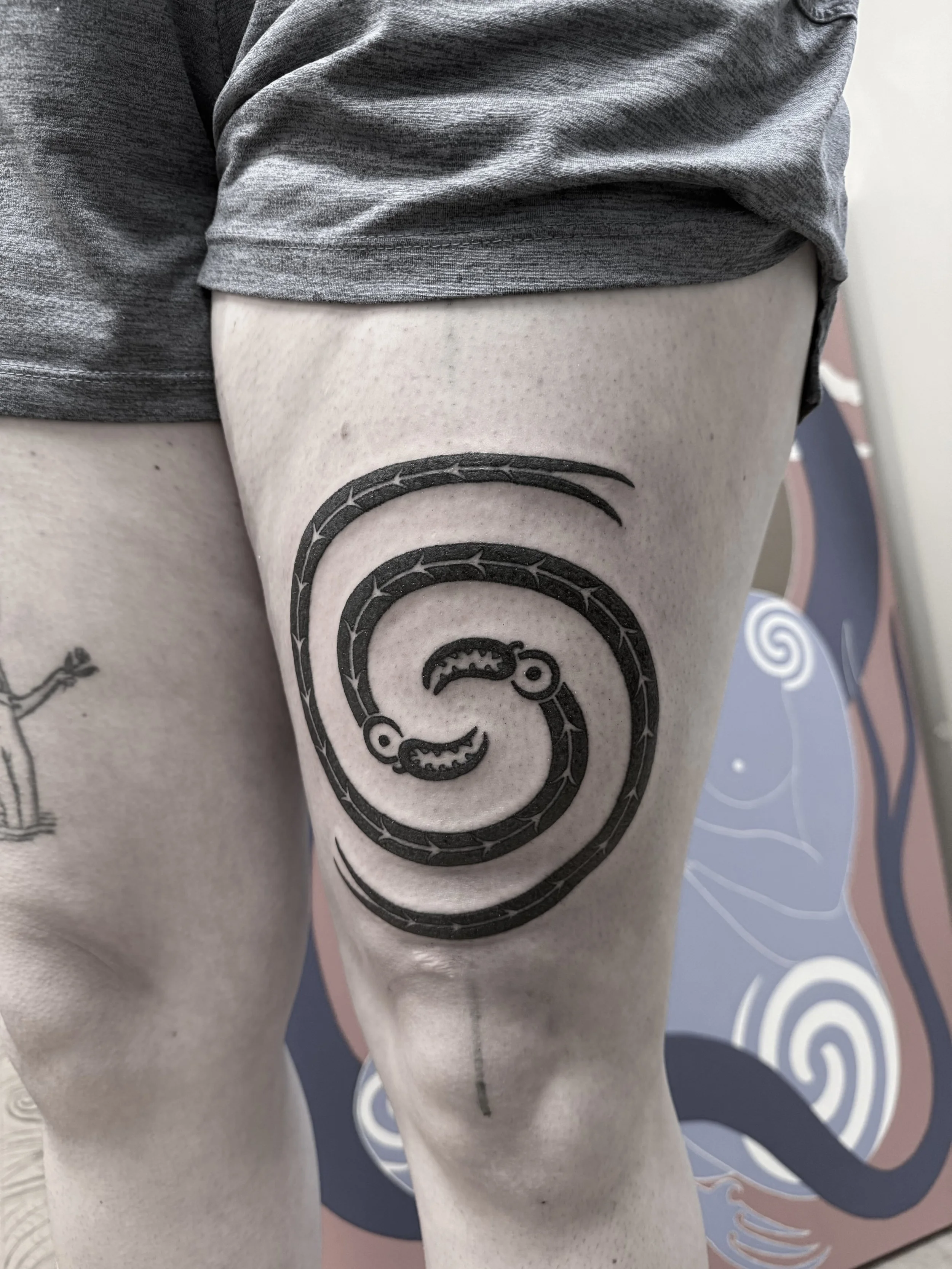
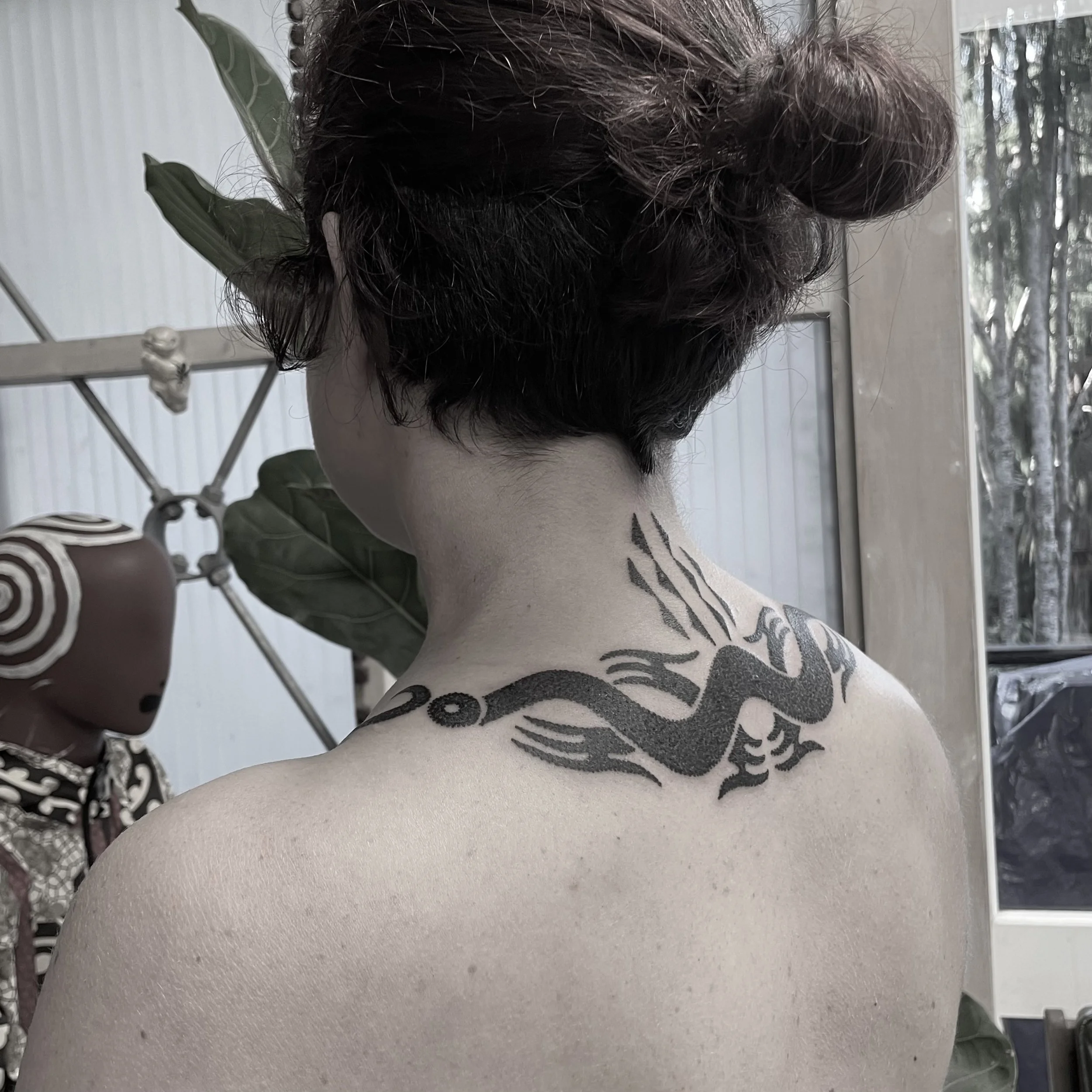
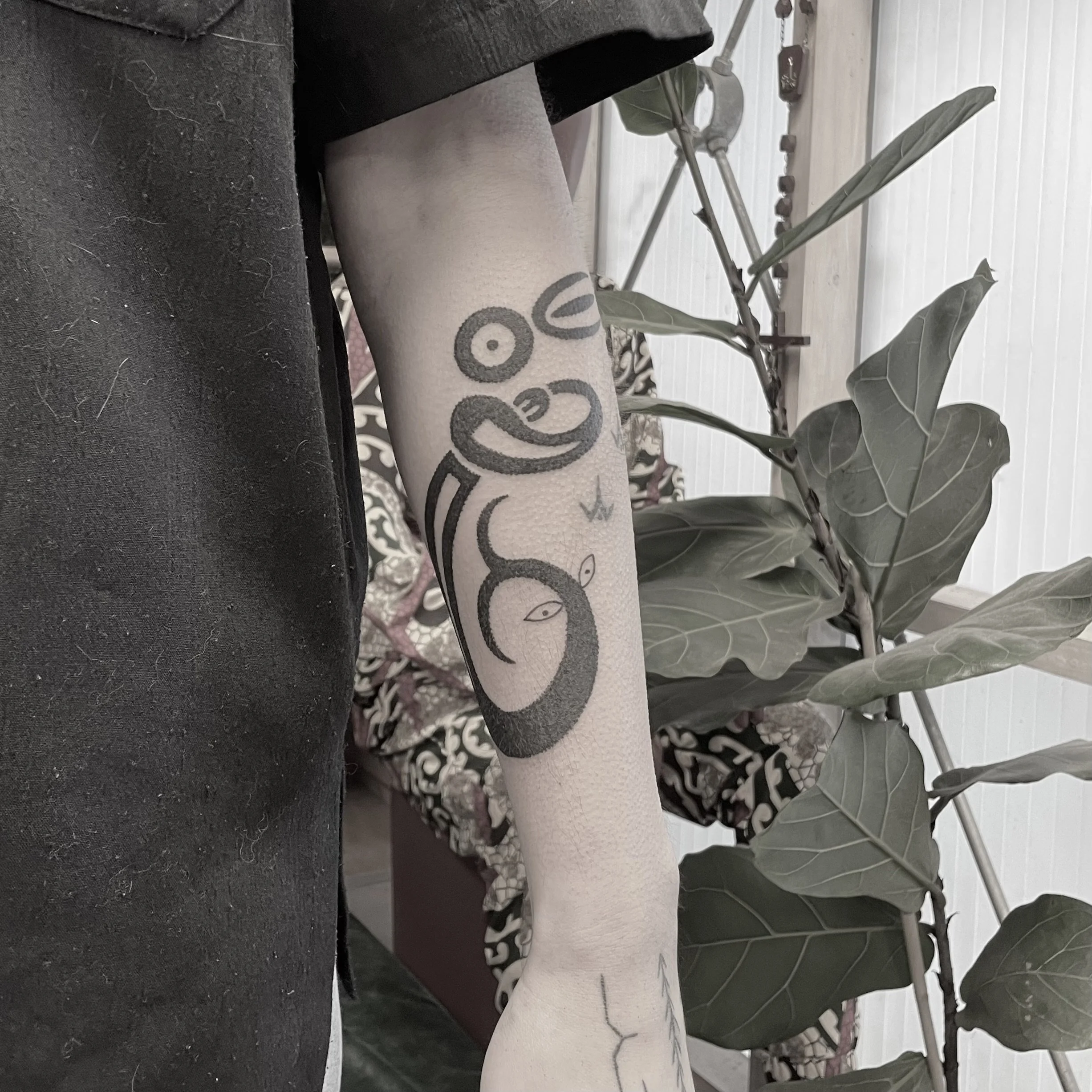
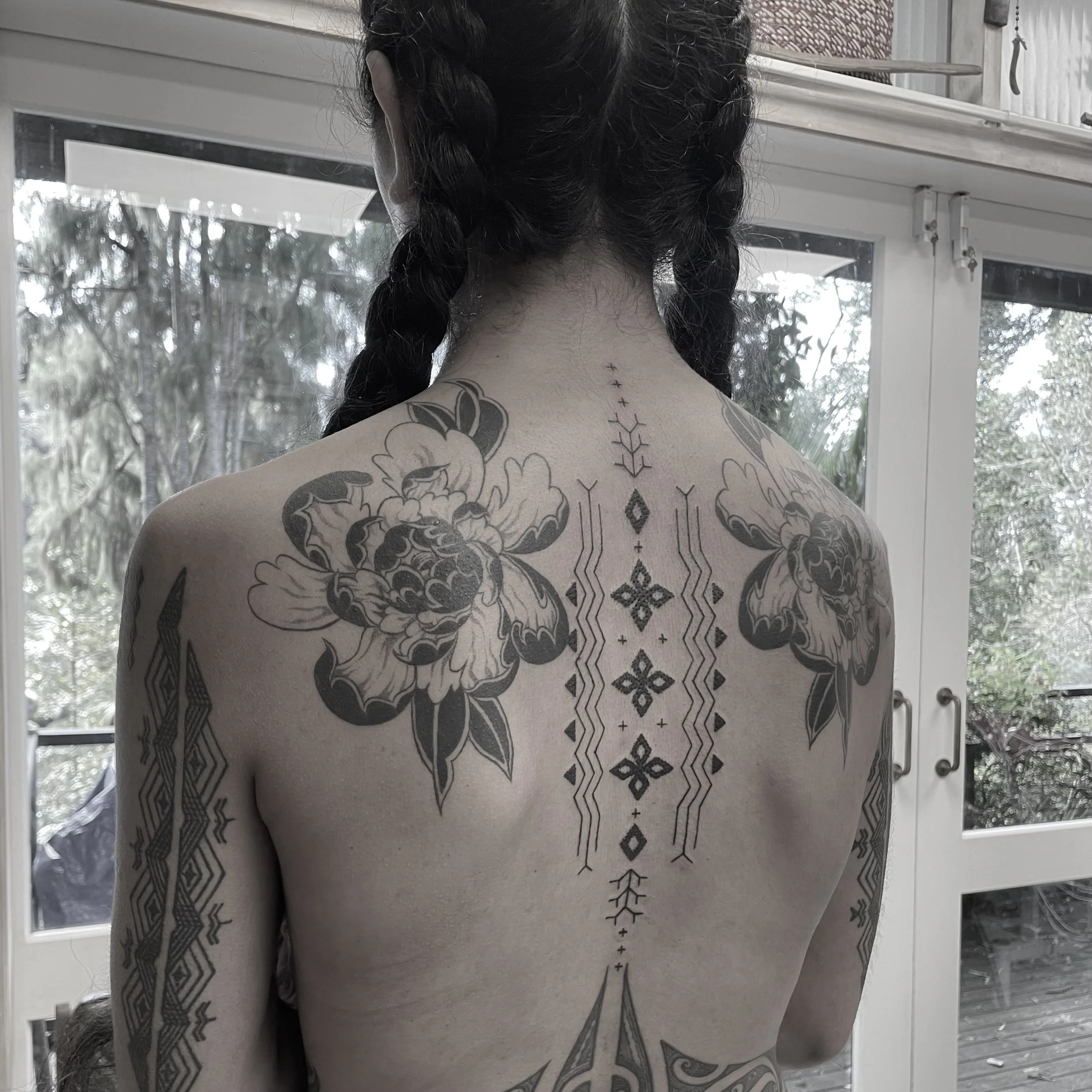
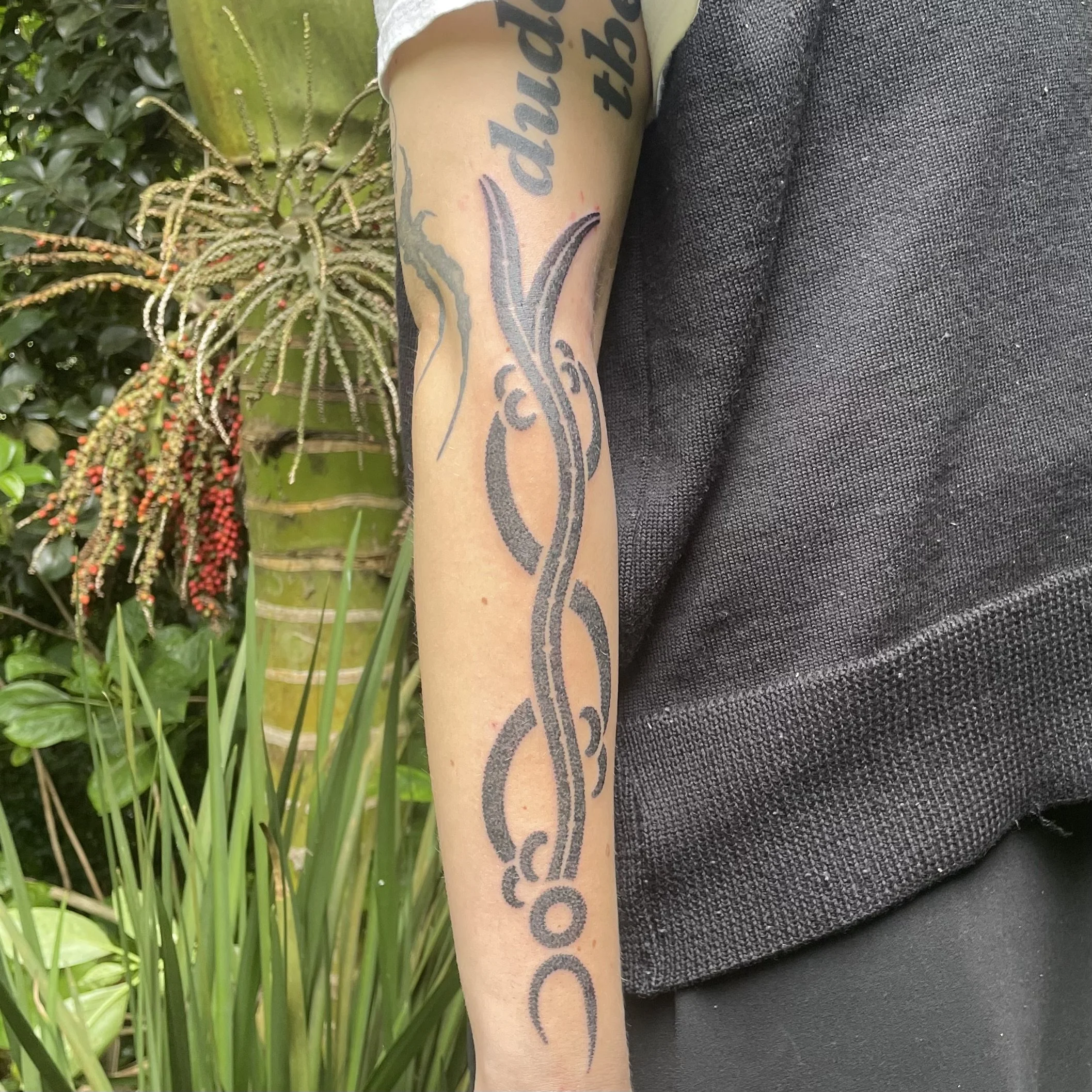
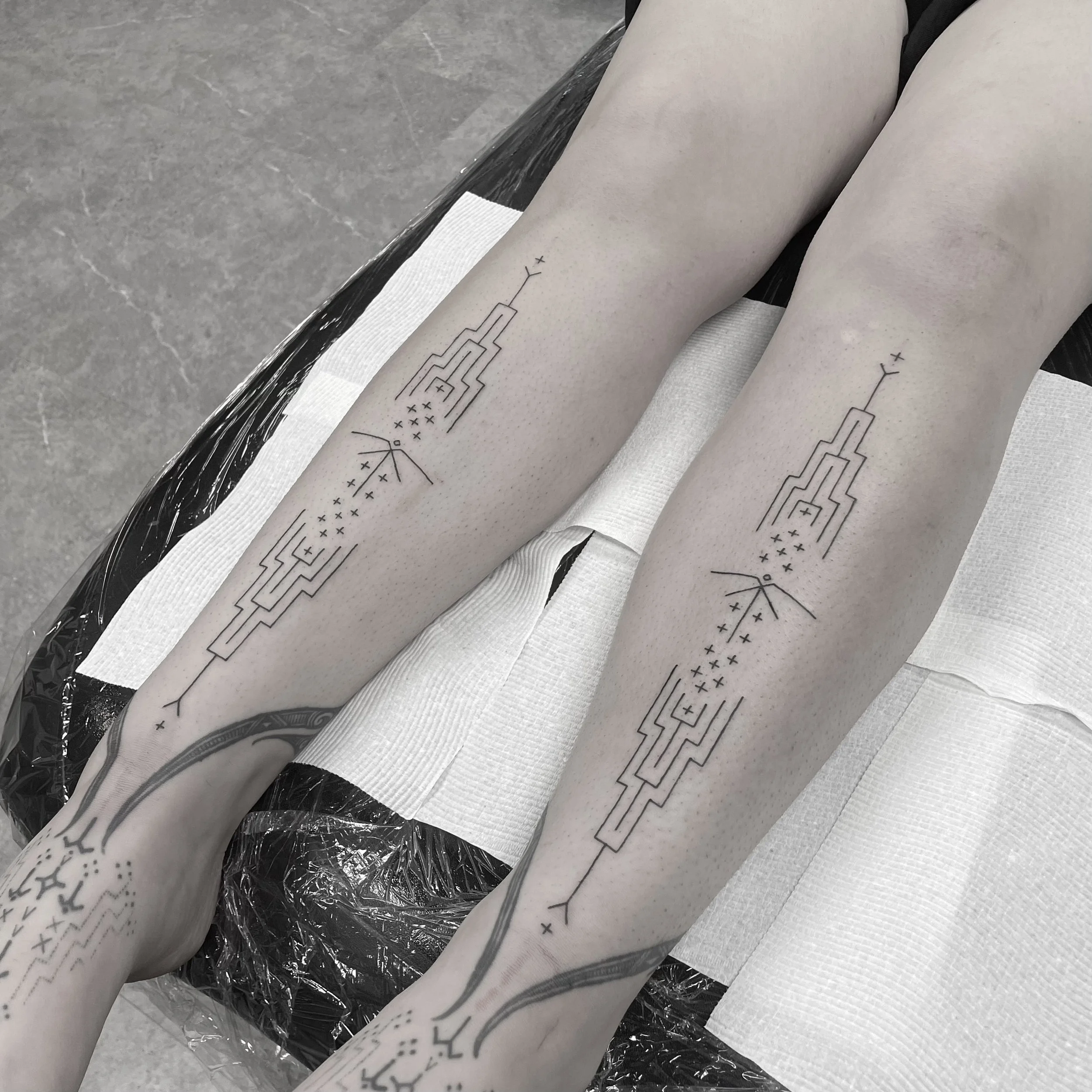
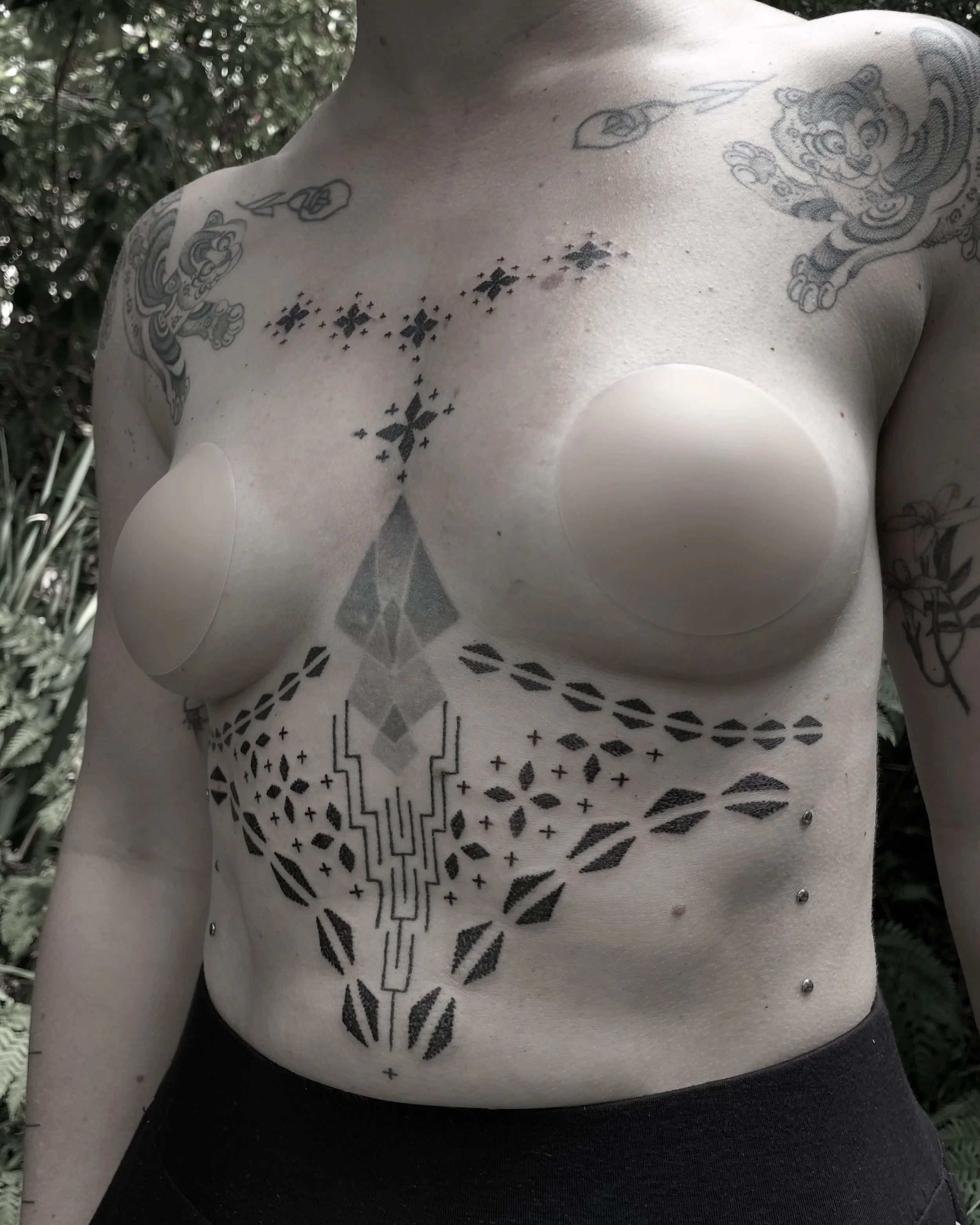
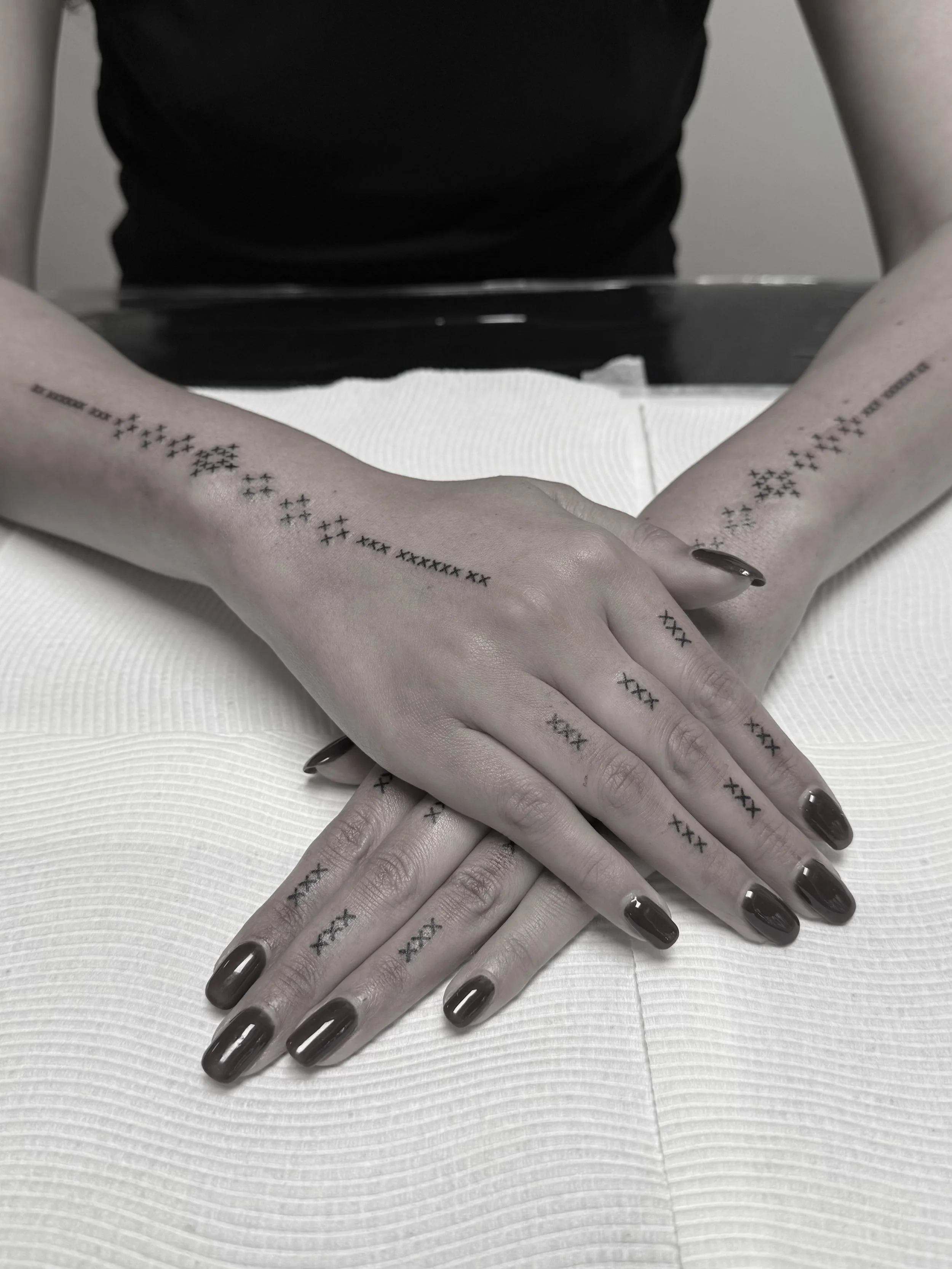
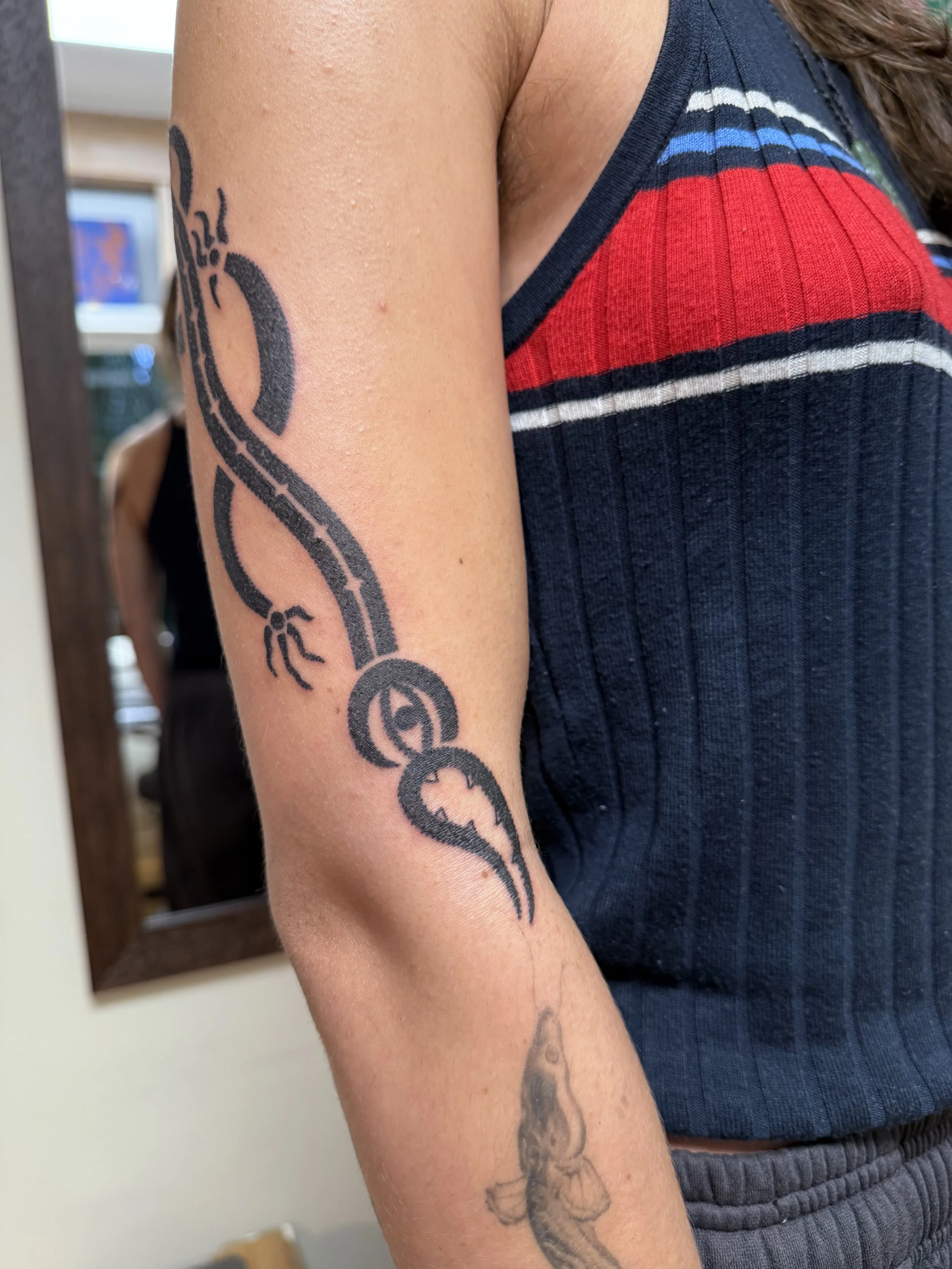
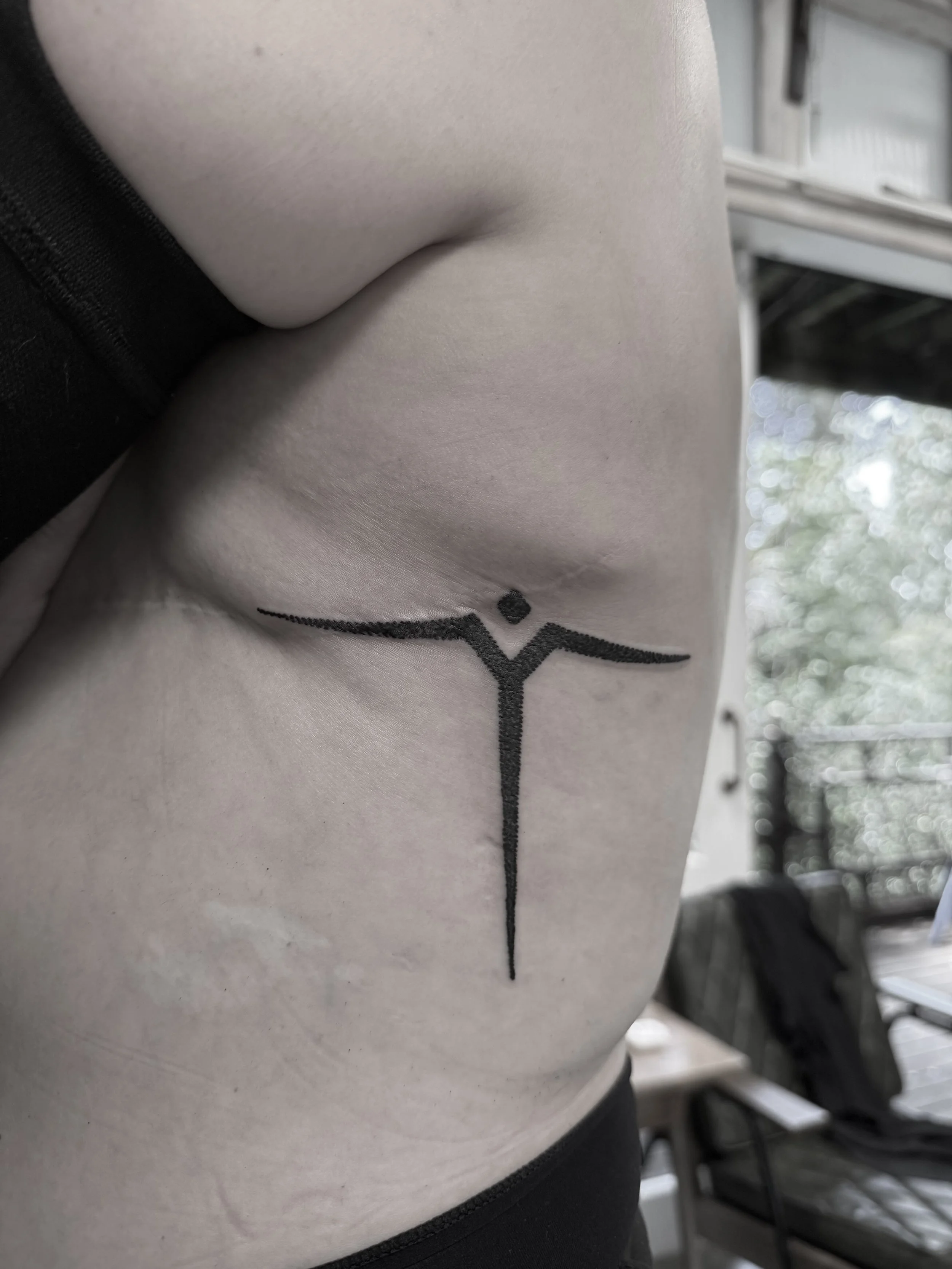
Tā moko
-
![]()
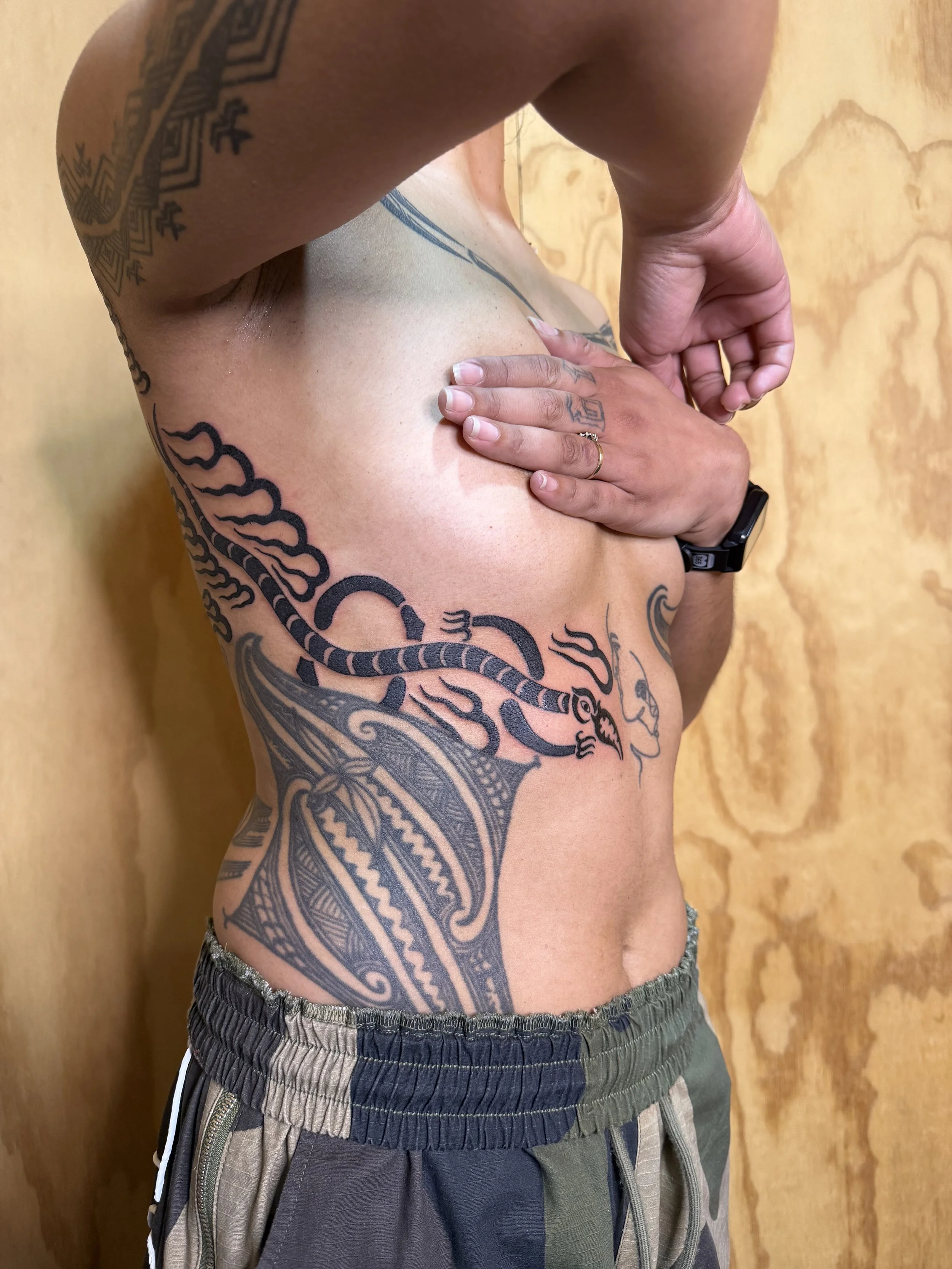
Kaitiaki
-
![]()
Kaitiaki
-
![]()
Kaitiaki & ahi
-
![]()
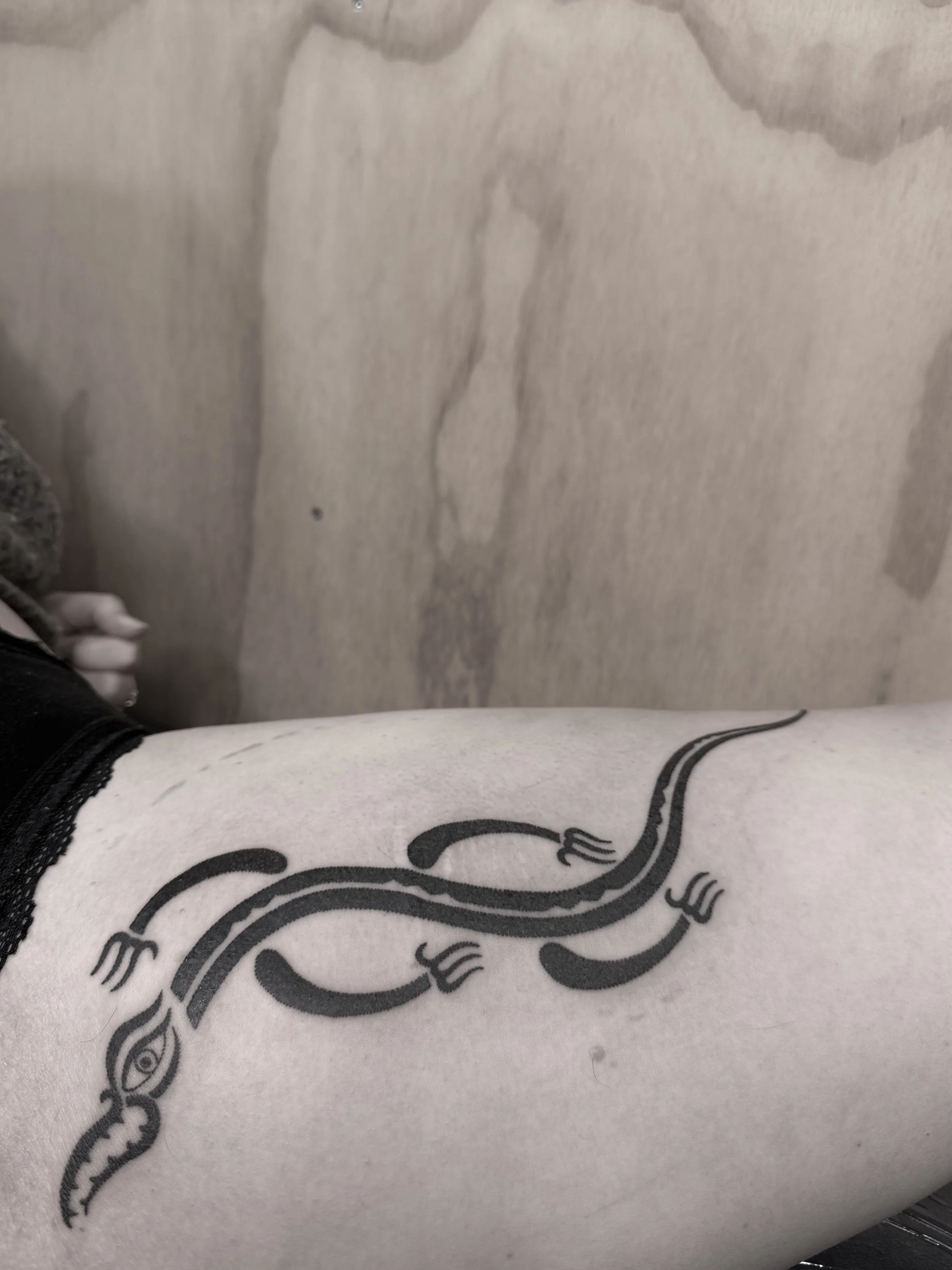
Tuna
-
![]()
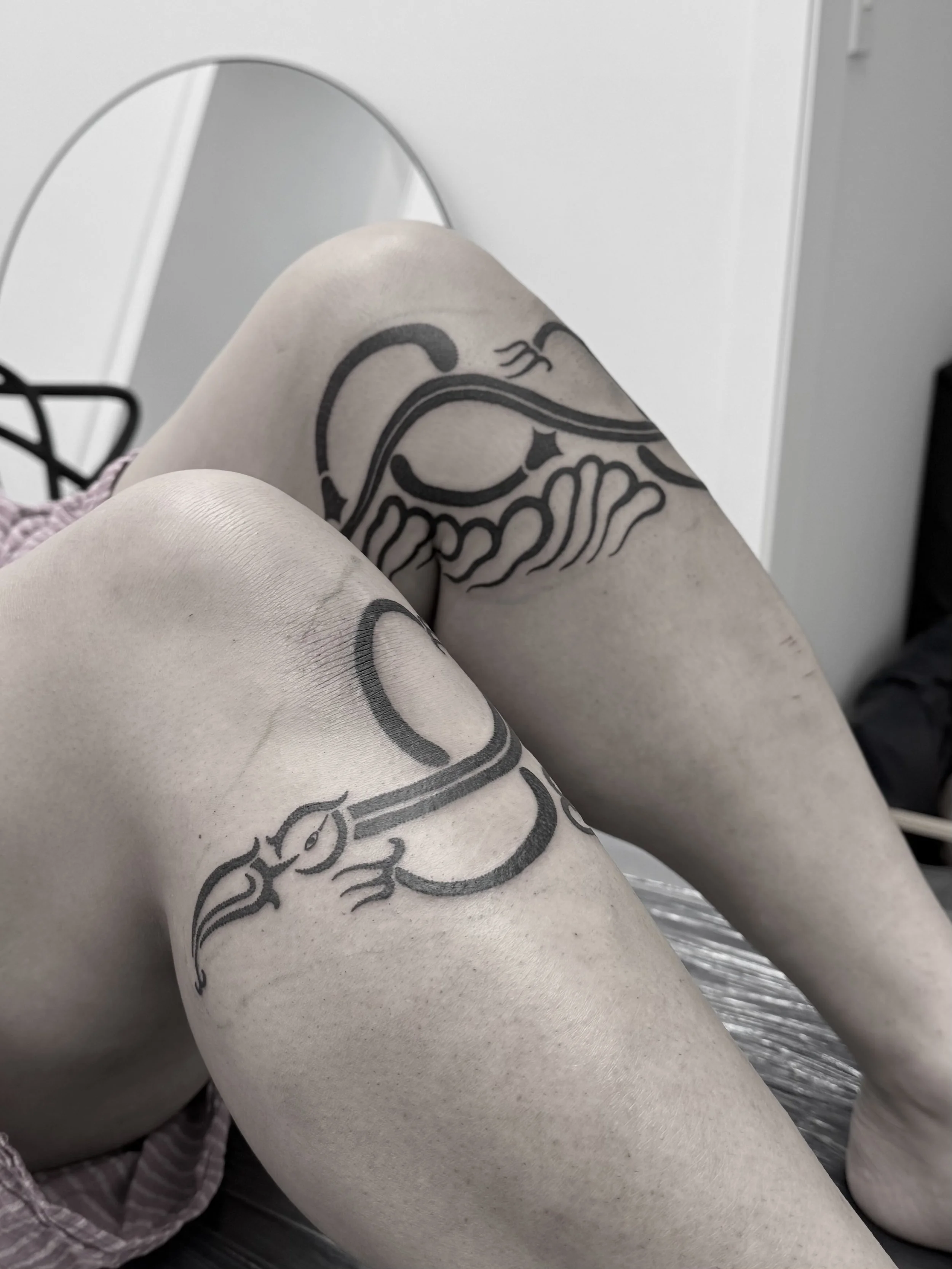
Kaitiaki
-
![]()
Kaitiaki
-
![]()
Kaitiaki pekapeka
-
![]()
Kaitiaki
-
![]()
Kaitiaki
-
![]()
Kaitiaki
-
![]()
Tukutuku/tāniko
-
![]()
Kaitiaki
-
![]()
Tukutuku/tāniko
-
![]()
Kaitiaki
-
![]()
Tukutuku/tāniko
-
![]()
Tukutuku/tāniko
-
![]()
Tukutuku/tāniko
-
![]()
Tukutuku/tāniko
-
![]()
Kaitiaki
-
![]()
Manu
-
![]()
Tukutuku/tāniko
-
![]()
Manu, tukutuku/tāniko
-
![]()
Manu kaitiaki
-
![]()
Tukutuku/tāniko
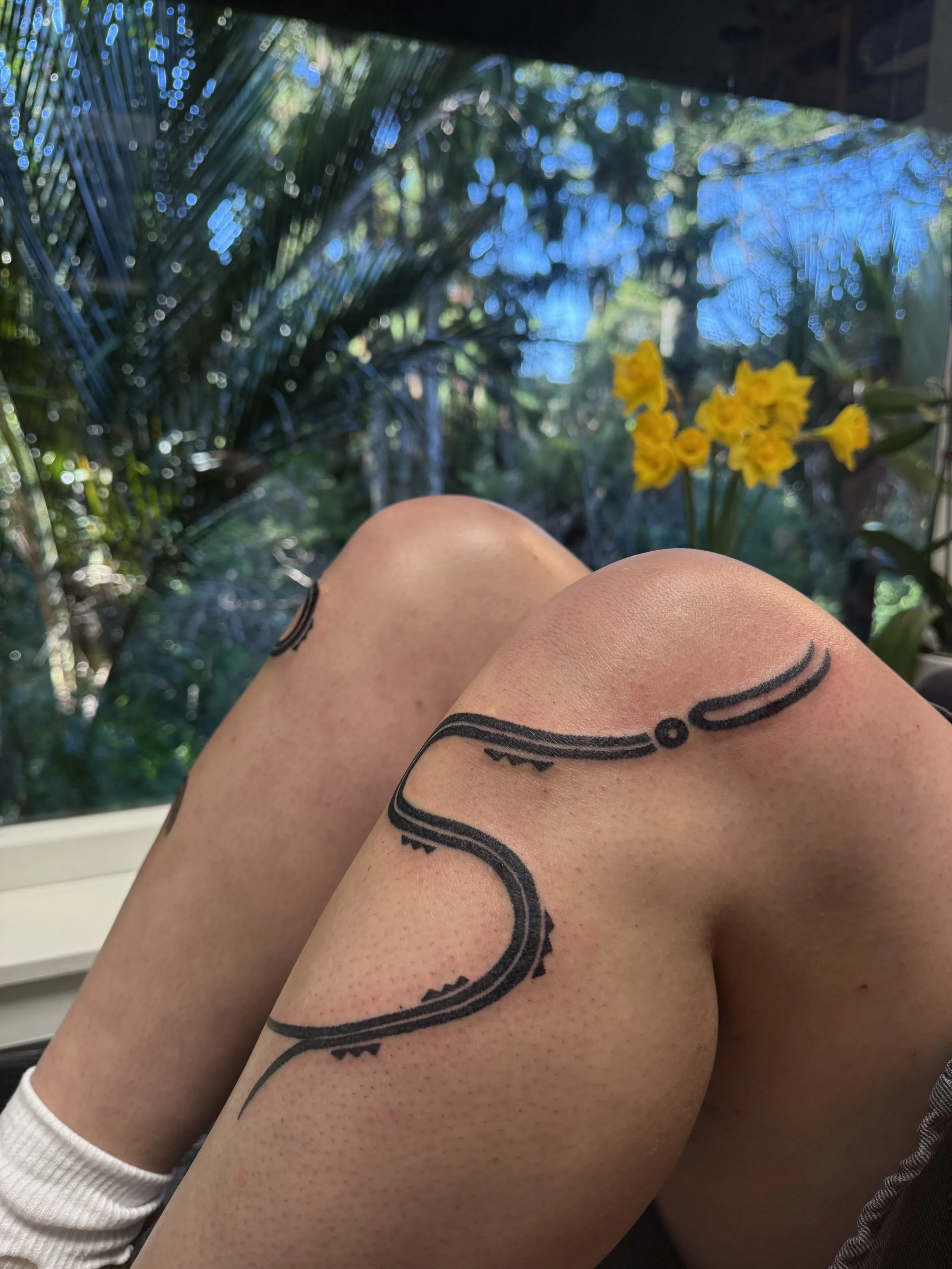
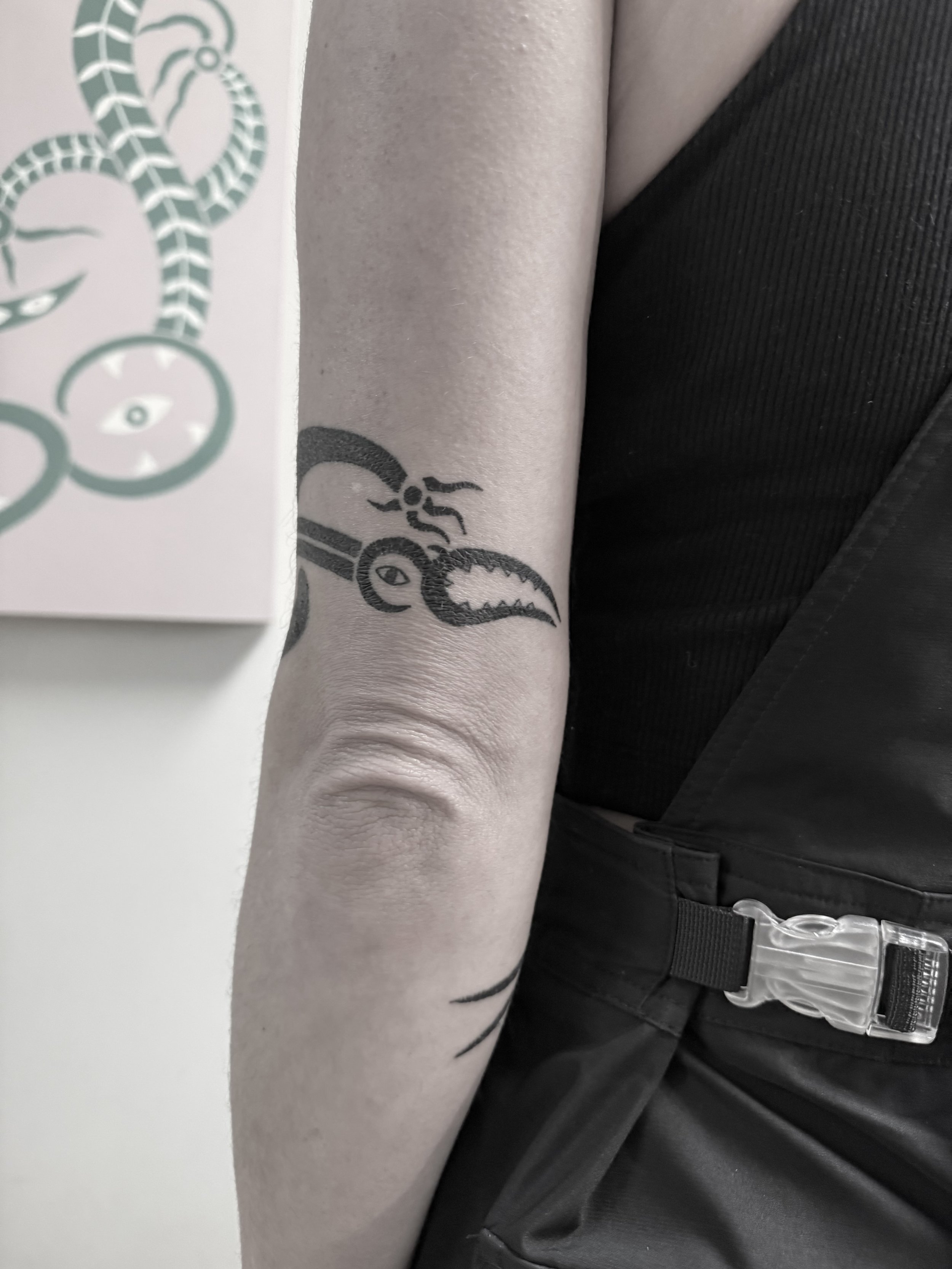
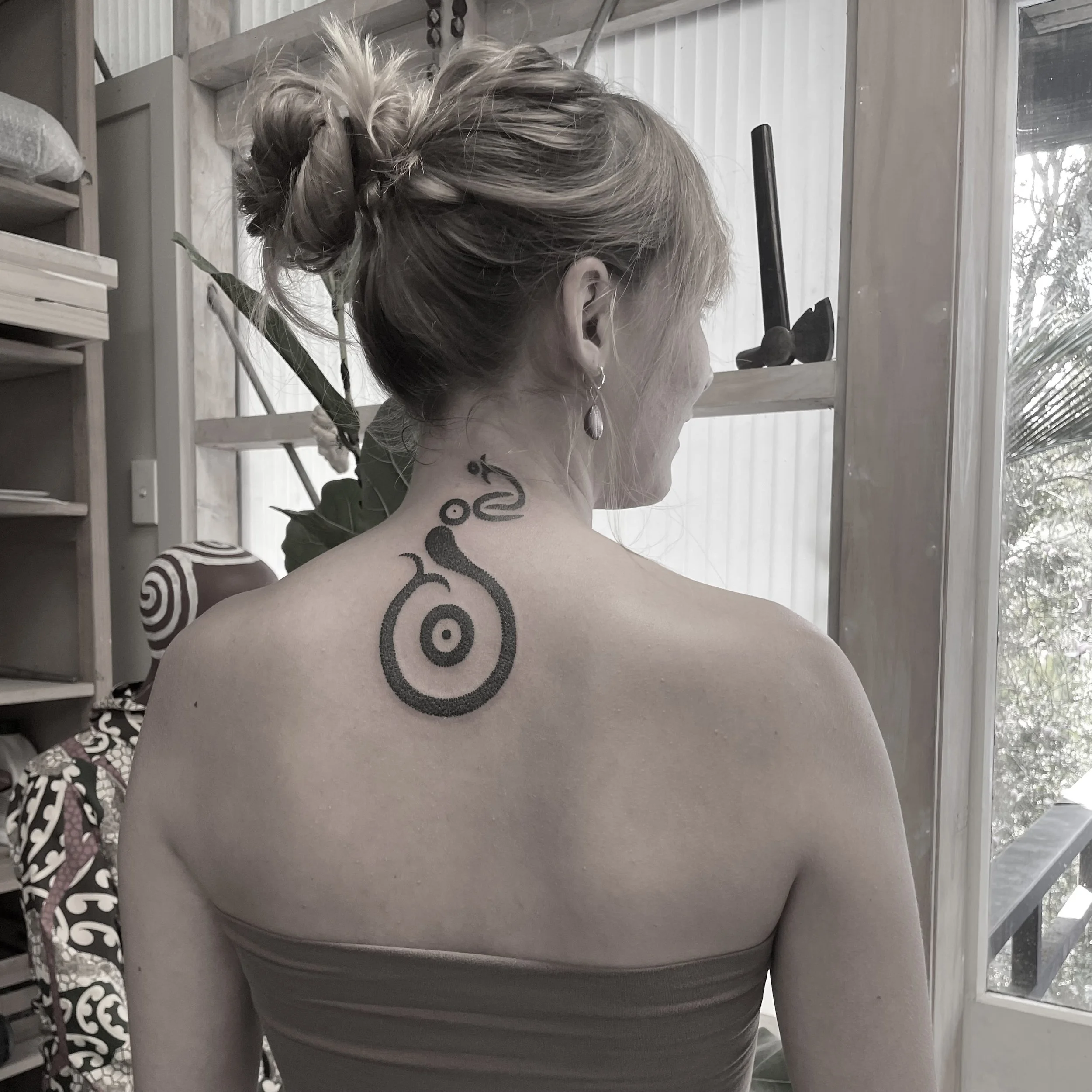
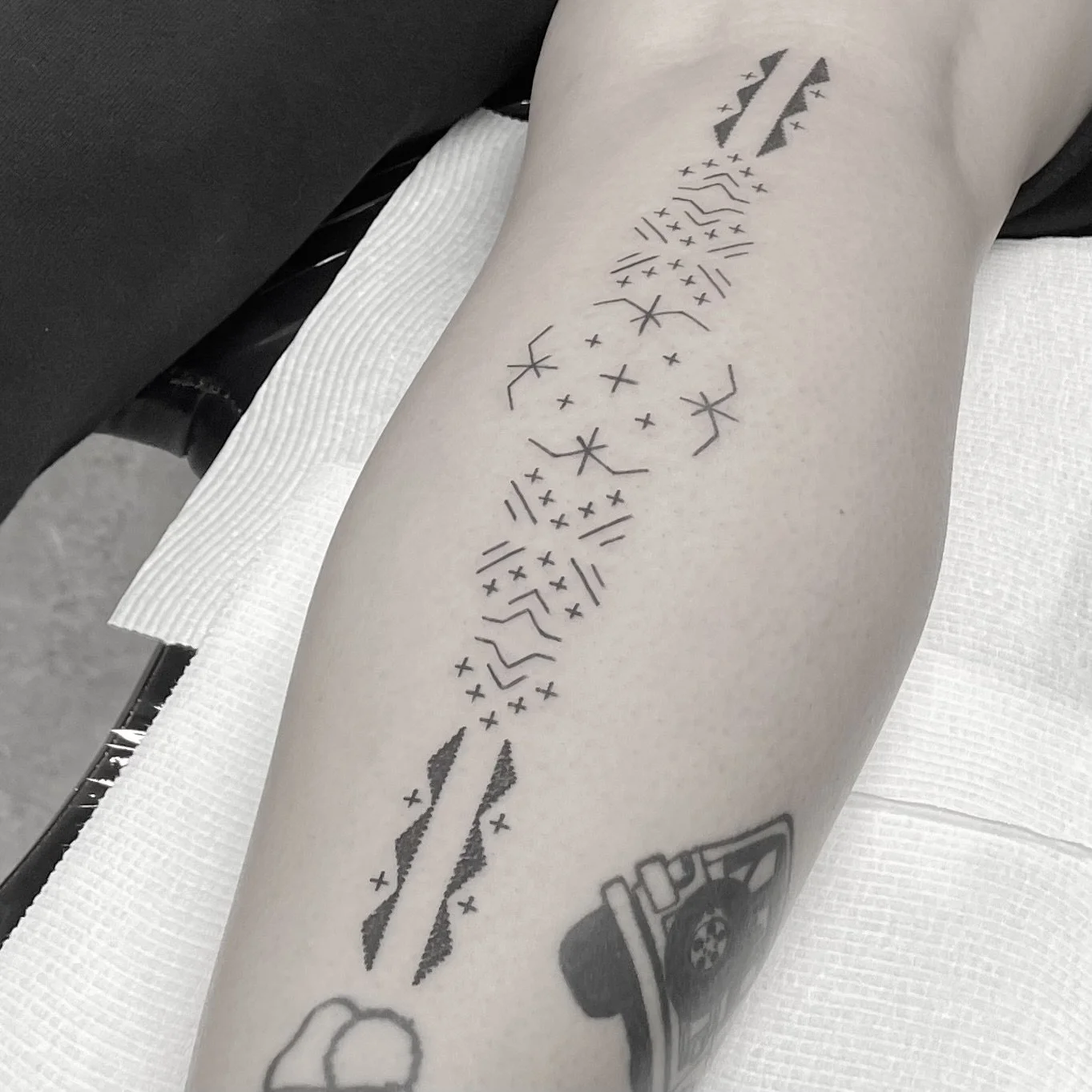

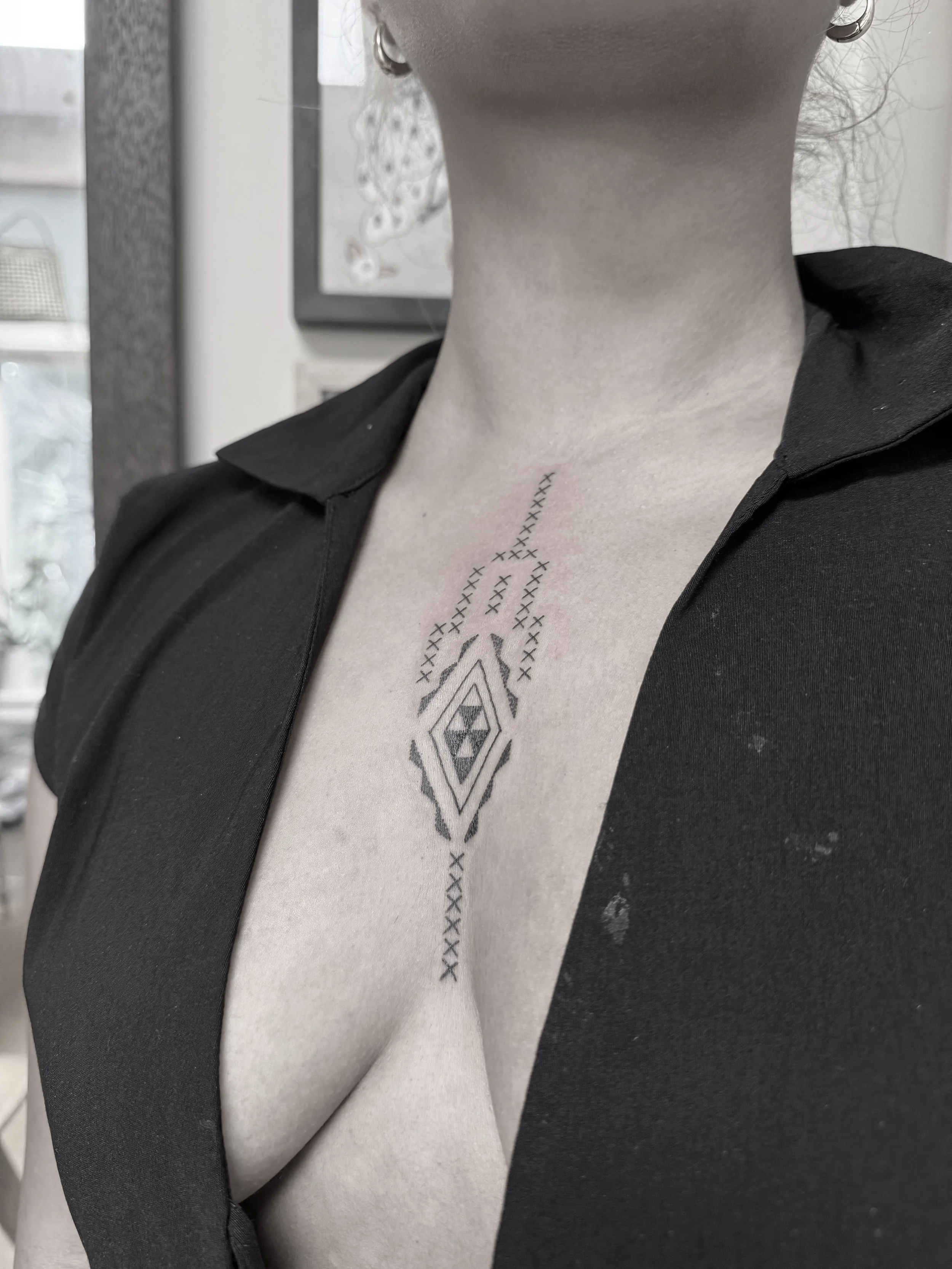
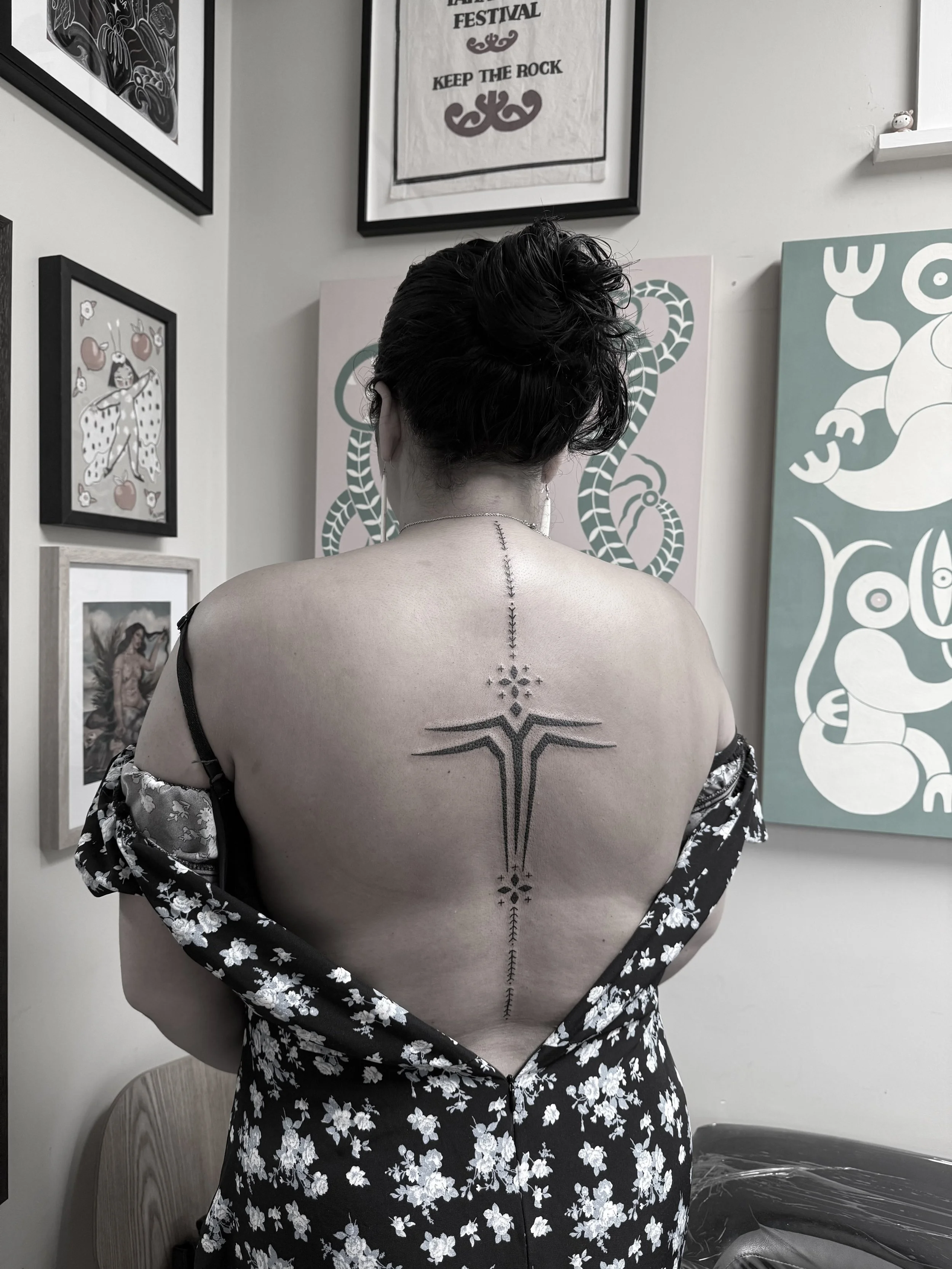
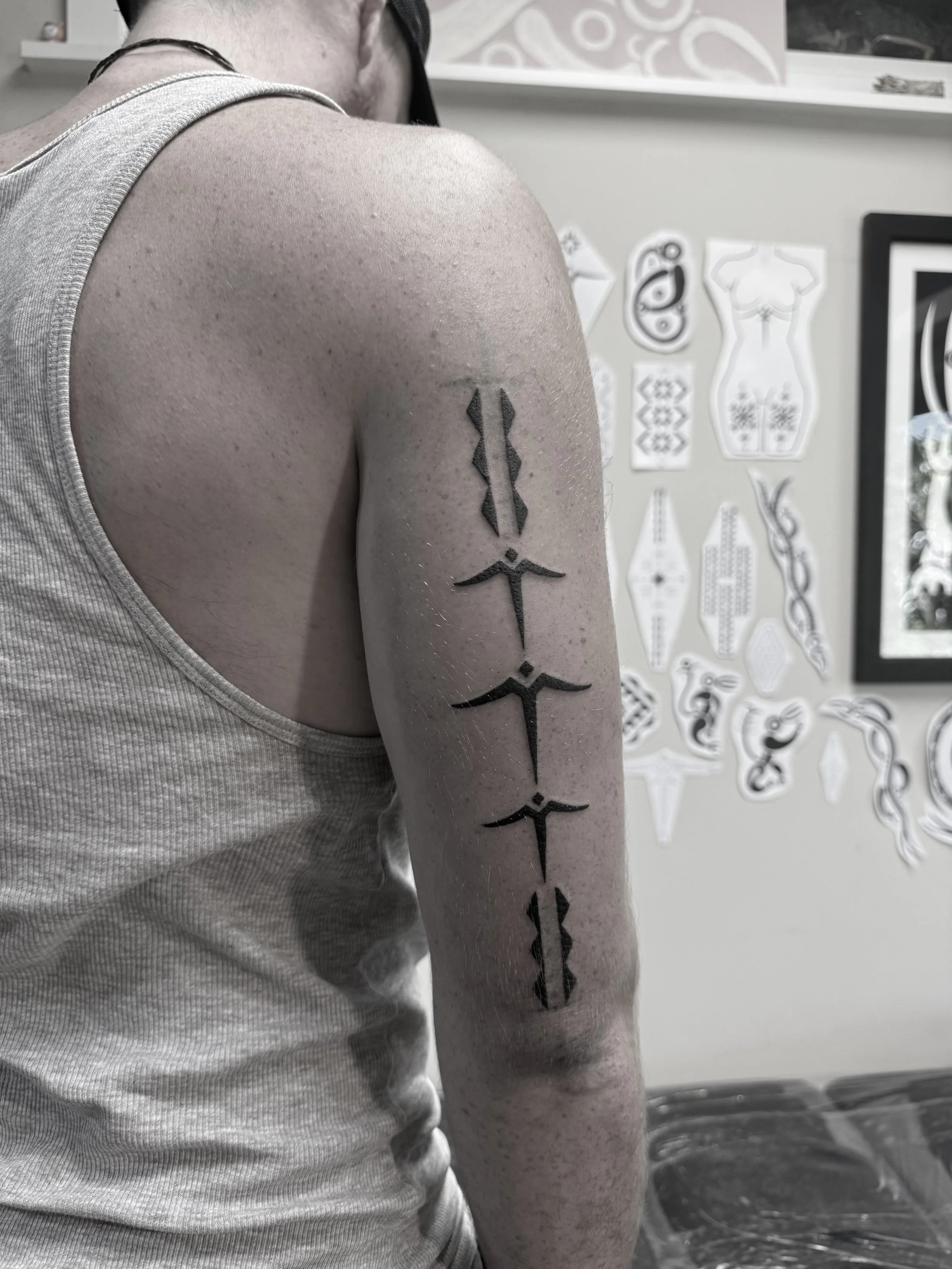
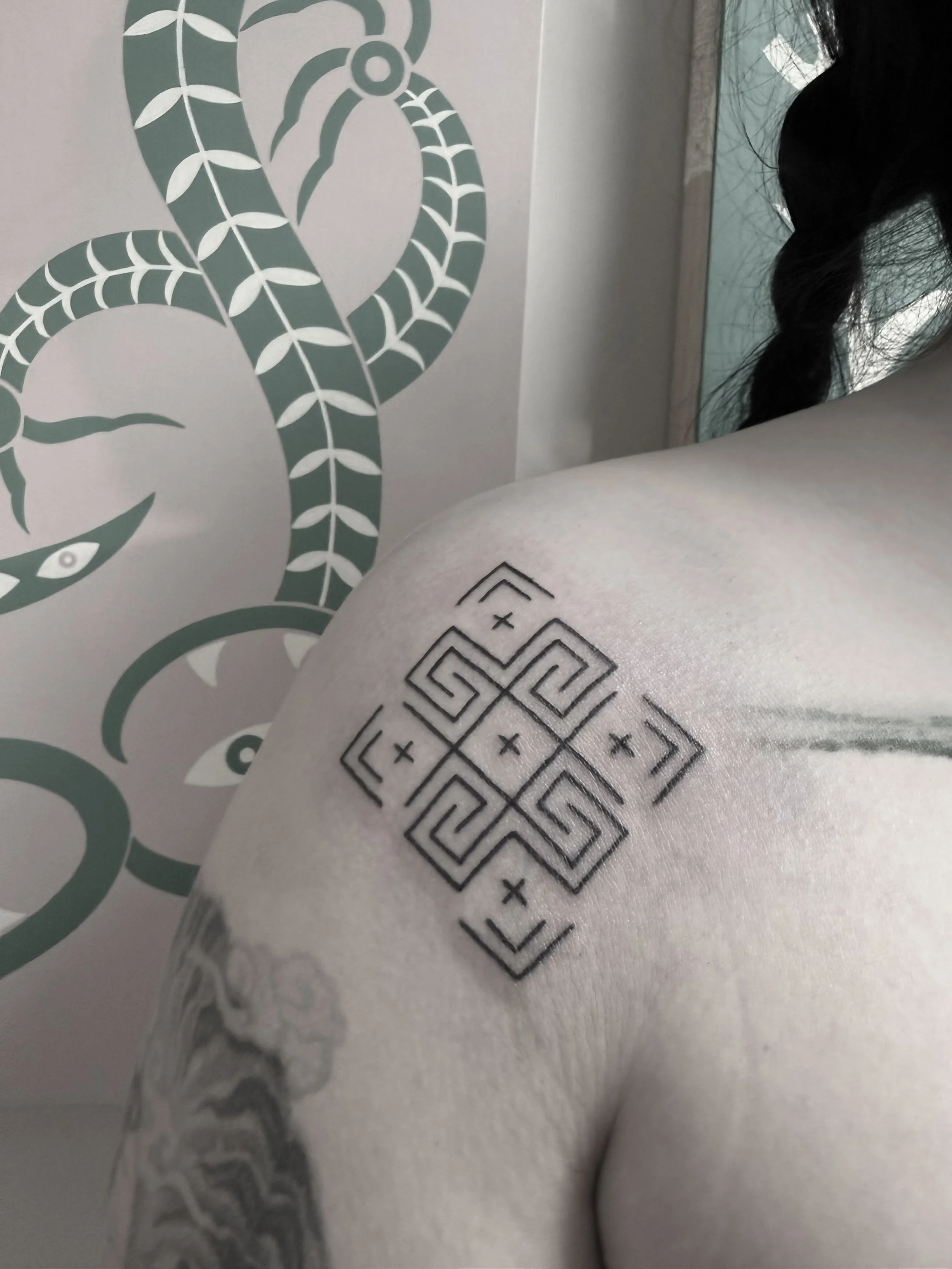
Raranga
-
![]()
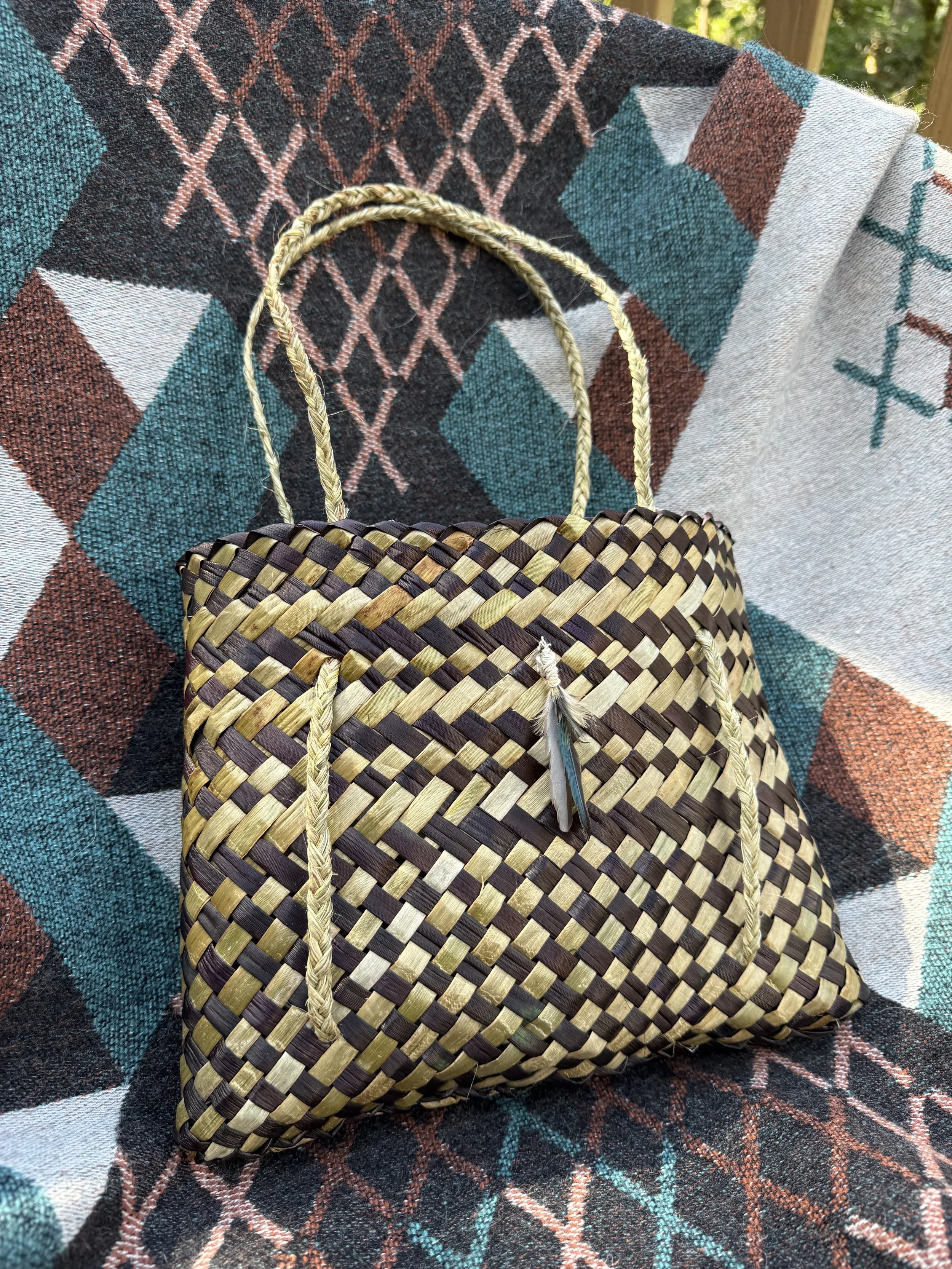
Kete
Harekeke/kōrari, rau kōtare
-
![]()
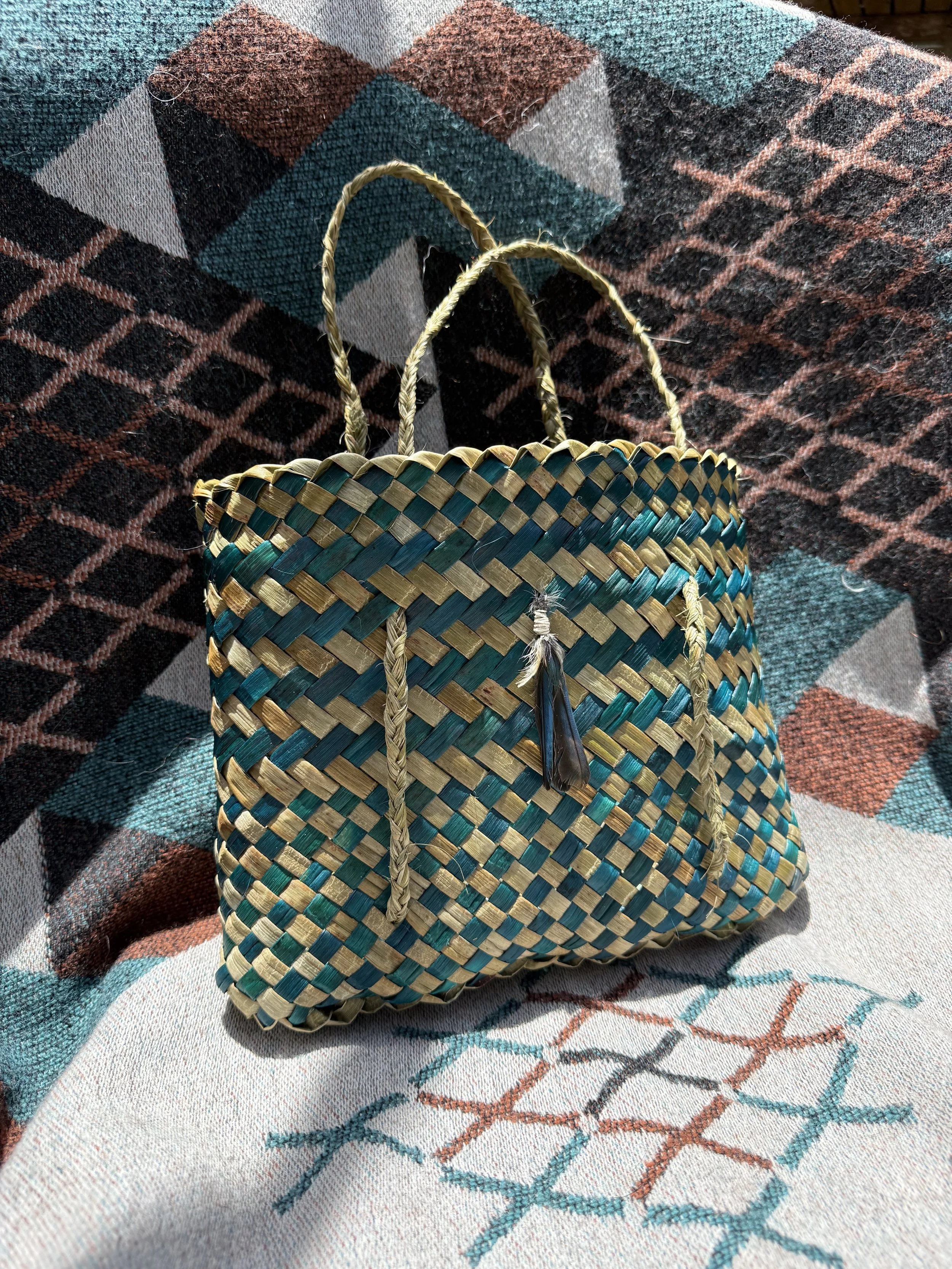
Kete
Harekeke/kōrari, rau kōtare
-
![]()
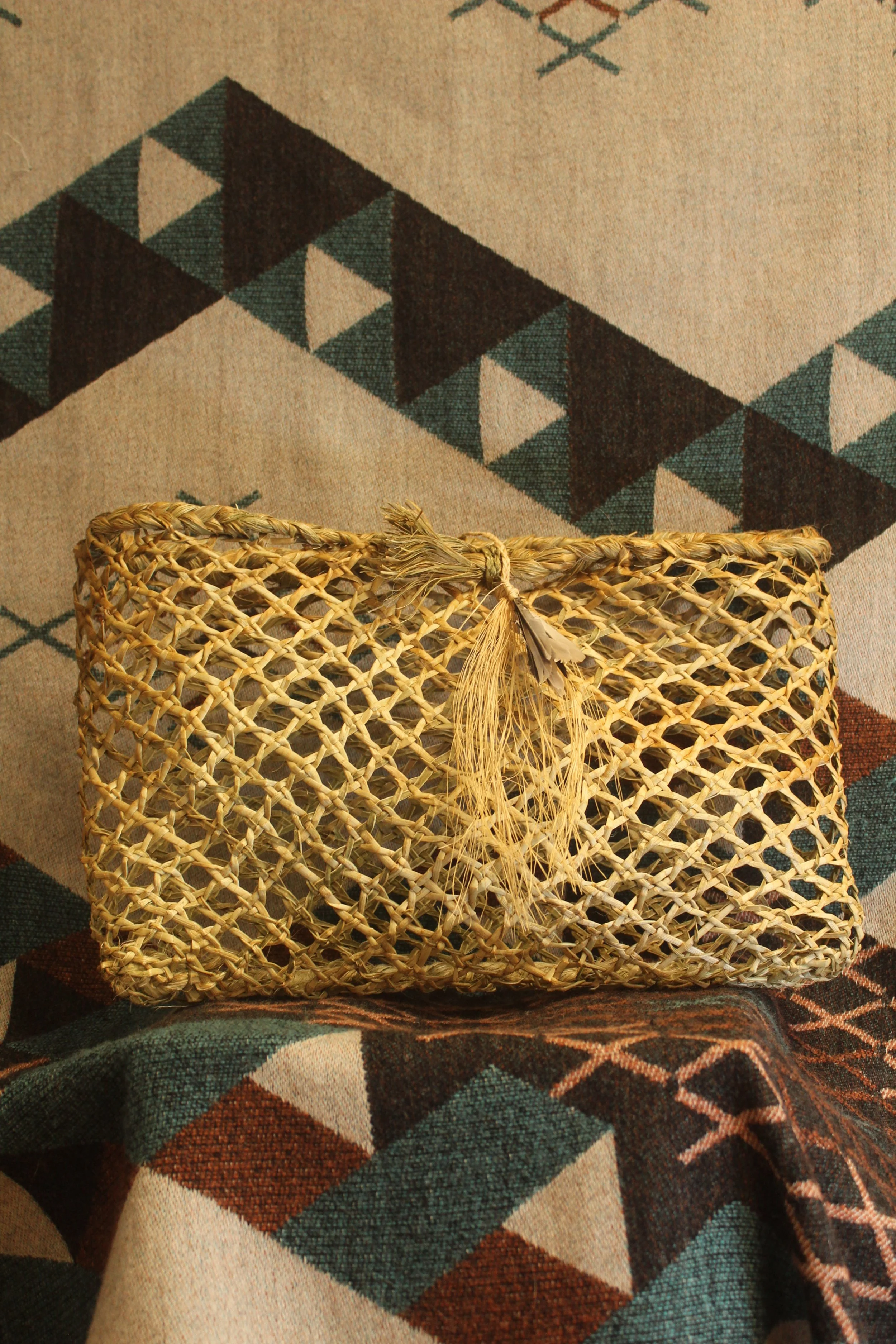
Kete kupenga
Harekeke/kōrari, rau pīwakawaka, muka
-
![]()
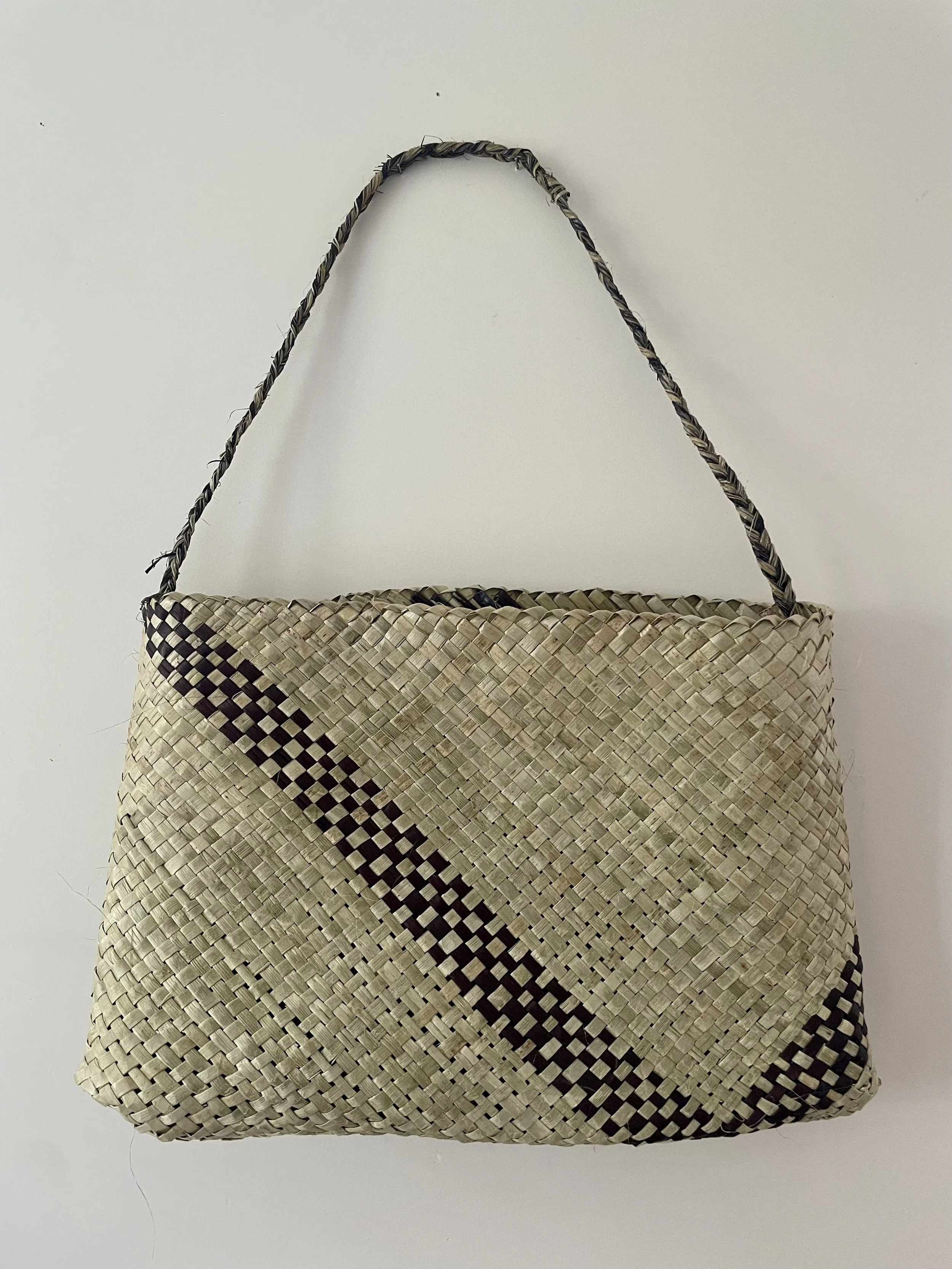
Kete nui
Harekeke/kōrari
-
![]()
Kete
Harekeke/kōrari
-
![]()
Kete iti
Harekeke/kōrari, muka, pāua
-
![]()
Kete
Harekeke/kōrari, dye
-
![]()
Kete
Harekeke/kōrari, dye